
Pakistan’s first all-local Berlinale entry, Lali, will turn love into something sinister on Valentine’s Day
The trailer for Lali doesn’t so much explain itself as it hovers, ominous and withholding, which feels exactly right for a Sarmad Khoosat film making its way to Berlin.
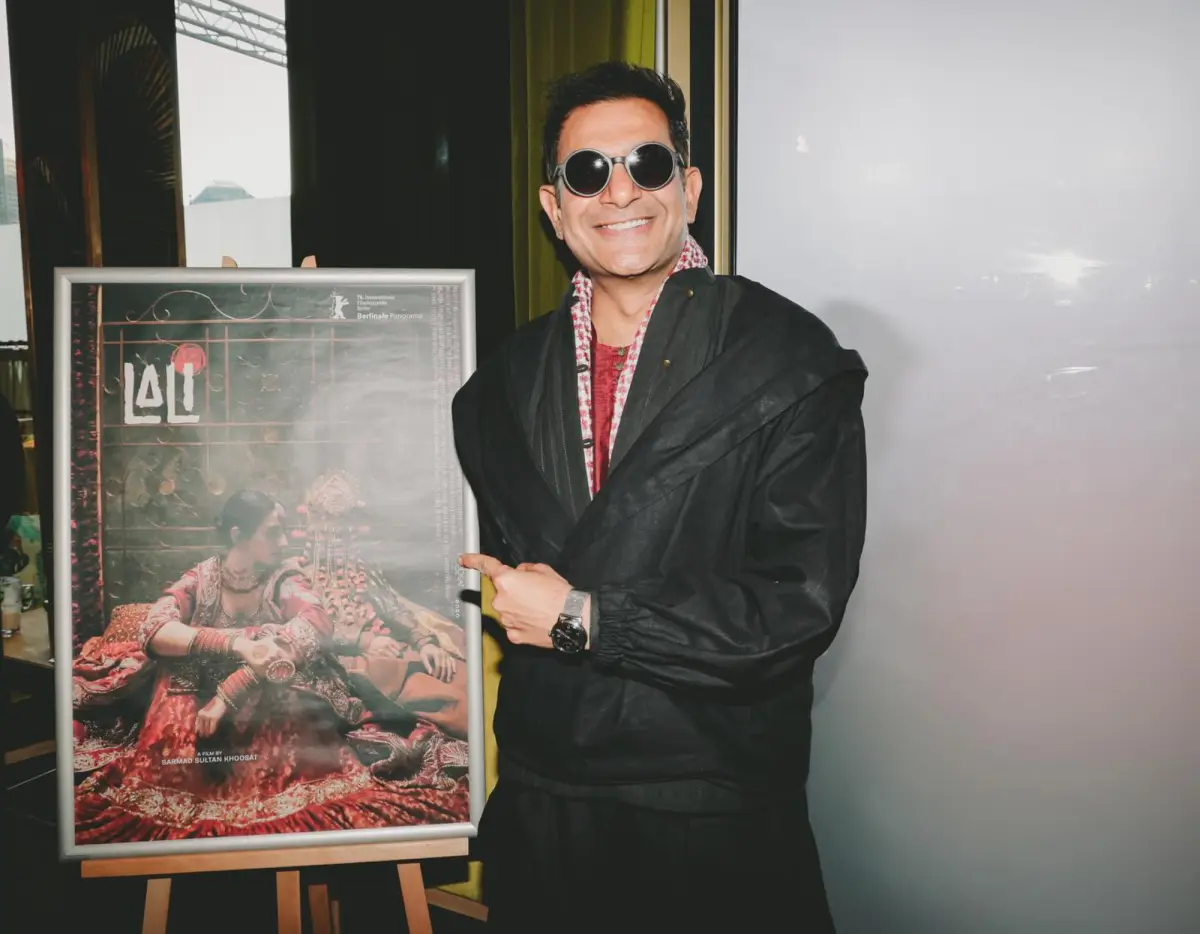
Set to world premiere in the Panorama section of the Berlin International Film Festival on February 14, Lali marks a small but significant milestone. It’s the first all-Pakistani feature to screen at Berlinale, a festival that has previously hosted Pakistani co-productions but never one so fully rooted in local talent and production. That it arrives on Valentine’s Day feels intentional rather than cute, a reminder, perhaps, that love, especially within marriage, is rarely the soft-focus fantasy it’s sold as.
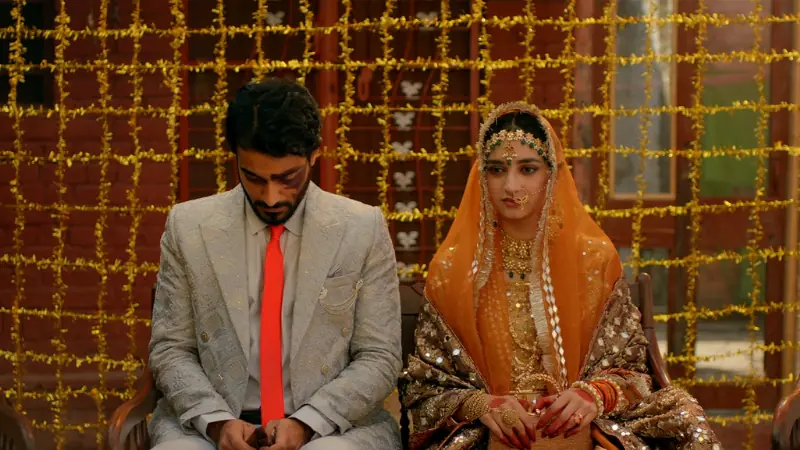
According to The Hollywood Reporter, the film follows Zeba, newly married to Sajawal, a man-child whose insecurities quickly metastasise into paranoia. Zeba, played by Mamya Shajaffar, enters the marriage already burdened by gossip and superstition: three previous suitors have died in strange, unsettling circumstances, earning her the reputation of a cursed bride.
The trailer leans into this unease without spelling it out. Watching it leaves one with more questions but answers. Is Zeba possessed? Is black magic at play? Or is something far more mundane, and far more sinister, unfolding behind closed doors?
Khoosat, whose previous films Joyland for which he was producer and Zindagi Tamasha for which he was the director were both Pakistan’s official Oscar submissions (with Joyland winning the Jury Prize at Cannes), has never been interested in neat answers.
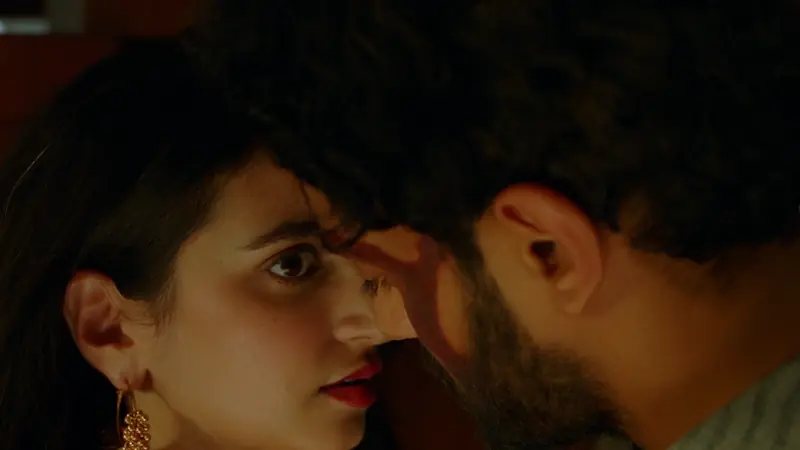
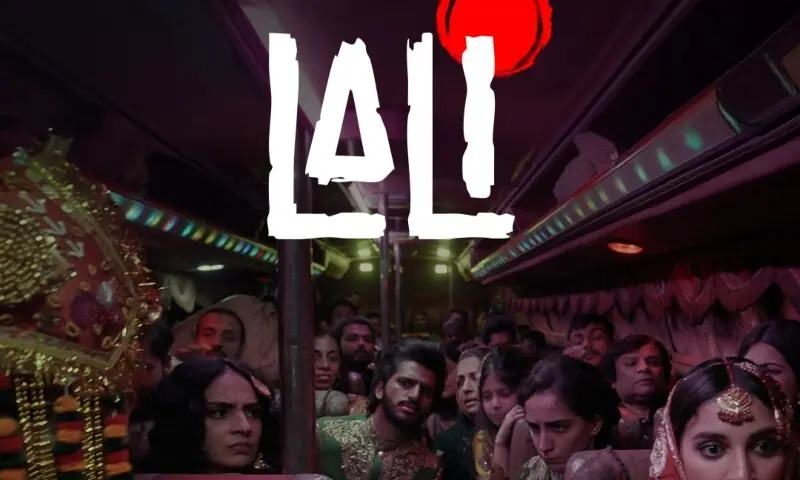
Lali appears to continue that tradition, situating its drama in the shanty towns of Sahiwal and unfolding like what the film’s synopsis aptly calls a “fever dream”. The visuals, glimpsed in the trailer, are predictably striking — dusky lanes, oppressive interiors, and moments of stillness that feel charged rather than empty.
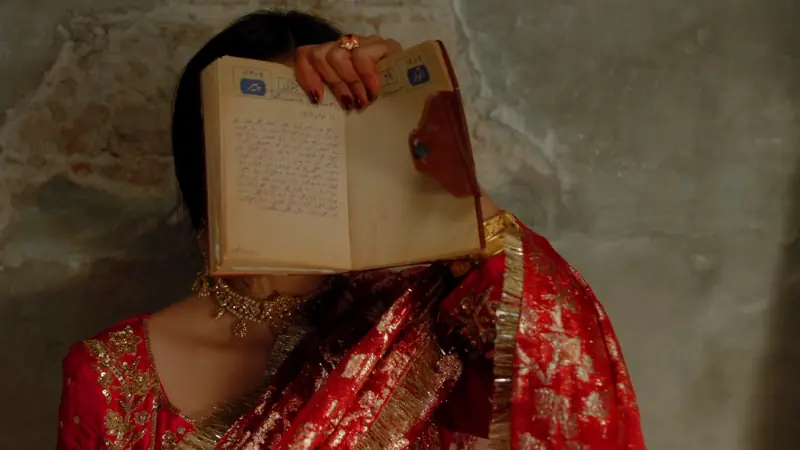
If nothing else, Lali looks like a visual feast, a visual confidence that has become something of a Khoosat signature — we are reminded of the visual masterpiece that was Kamli.
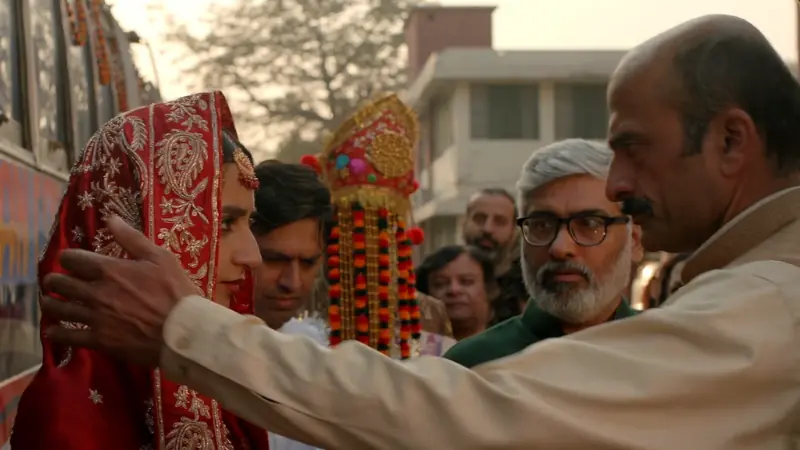
The emotional centre of the film seems to rest not just on Zeba and Sajawal’s increasingly volatile marriage, but on the women around her. Rasti Farooq plays Sohni Ammi, the sharp-tongued mother-in-law whose abrasiveness masks something softer and more complicated, while Mehr Bano appears as Bholi, a quiet neighbour who offers Zeba a different kind of refuge.
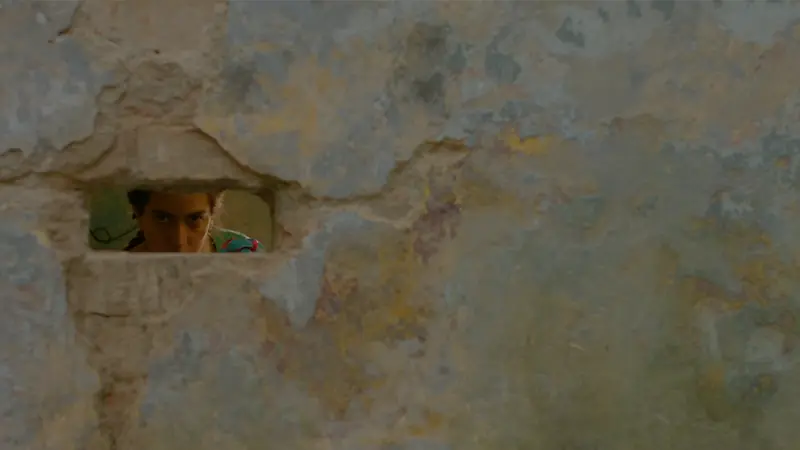
According to its official synopsis, Lali “examines the fear, shame, and violence that lie beneath intimate relationships,” confronting the suppressed forces that suffocate many unions. The trailer supports this without being patronising. Sajawal’s need for control — including, reportedly, pretending to be possessed himself — hints at how superstition can become a convenient weapon, particularly against women already marked as “other”.
The cast also includes Channan Hanif, Farazeh Syed and Khizer Idrees as director of photography, a Khoosat regular whose work here appears textured and atmospheric rather than showy. Editing duties are handled by Saim Sadiq, whose work on Joyland was integral to its emotional rhythm.
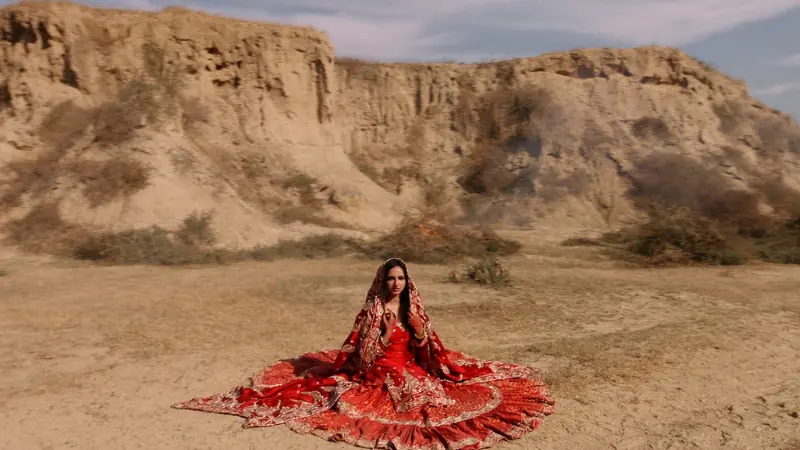
What the trailer doesn’t do — and this is perhaps its smartest move — is over-explain. The title Lali remains deliberately opaque. Is it a name? A symbol? A colour-coded clue? The trailer offers no answers, only mood and suggestion. For audiences accustomed to trailers that reveal entire third acts, this restraint feels refreshing.
If Lali ultimately delivers on what its trailer promises, it won’t be a film about possession so much as one about control, fear, and the stories we invent to justify violence within love.
You can watch the trailer here.




Comments