
LAAM Fashion Week and the business of fashion in Pakistan
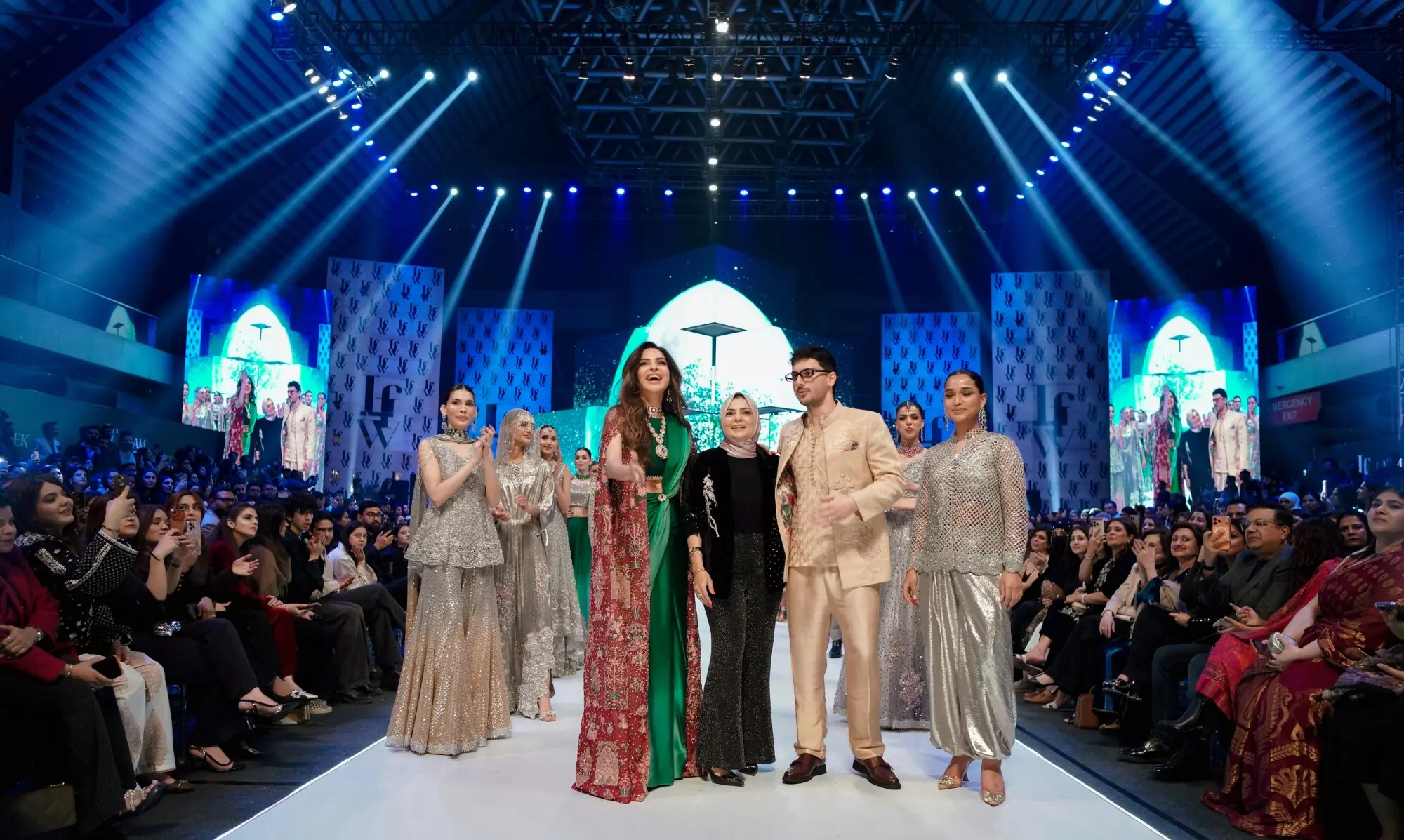
The fashion runway made its long-awaited return with the inaugural season of LAAM Fashion Week in Lahore. True to the format of a traditional fashion week, the event unfolded over four full days of runway shows, featuring more than 35 presentations by designers and brands that leaned decisively towards retail.
What immediately set LAAM Fashion Week (LFW) apart was the integration of technology, commerce and fashion. Pakistan’s fashion industry has long existed as a fragmented space, with designers, retailers and consumers operating in silos. At LFW, it felt as though a single platform finally existed that brought these elements together in a cohesive and functional manner. The week felt commercially aware and clearly rooted in the business of fashion.
There were also unmistakable echoes of the Pakistan Fashion Design Council’s fashion weeks, which lost momentum nearly a decade ago. Rather than attempting to replace that legacy, LFW felt like a revival of its spirit, updated to reflect a digital and retail focused fashion economy.
The event was live streamed in over 120 countries, with all collections available for immediate purchase or booking via the LAAM app, including couture orders accompanied by free shipping. This seamless link between runway and retail highlighted a model with the potential to contribute meaningfully to Pakistan’s creative economy.
The approach also reflected a broader shift in consumer behaviour within Pakistan’s fashion market. Runway collections were no longer positioned as distant, aspirational spectacles, but as products that could be accessed, evaluated and purchased in real time. By collapsing the gap between runway and retail, LFW responded to a more cautious and digitally engaged consumer, one that is increasingly conscious of value, wearability and timing. In an economic climate where fashion purchases are more considered than impulsive, this model felt both timely and necessary.
Beyond individual designers, LFW also underscored fashion’s role as a wider economic ecosystem. A platform of this scale supports not only designers, but also production teams, artisans, stylists, technicians and supply chains that extend well beyond the runway. When fashion weeks move beyond spectacle and into structured commerce, they begin to function as economic infrastructure rather than seasonal events. If sustained, this model has the potential to strengthen Pakistan’s fashion and textile narrative in a way that aligns creativity with long-term industry growth.
The scale and breadth of participation alone signalled an industry eager to regroup. More than 35 runway shows took place across four days, drawing together a wide spectrum of designers and brands under one roof.
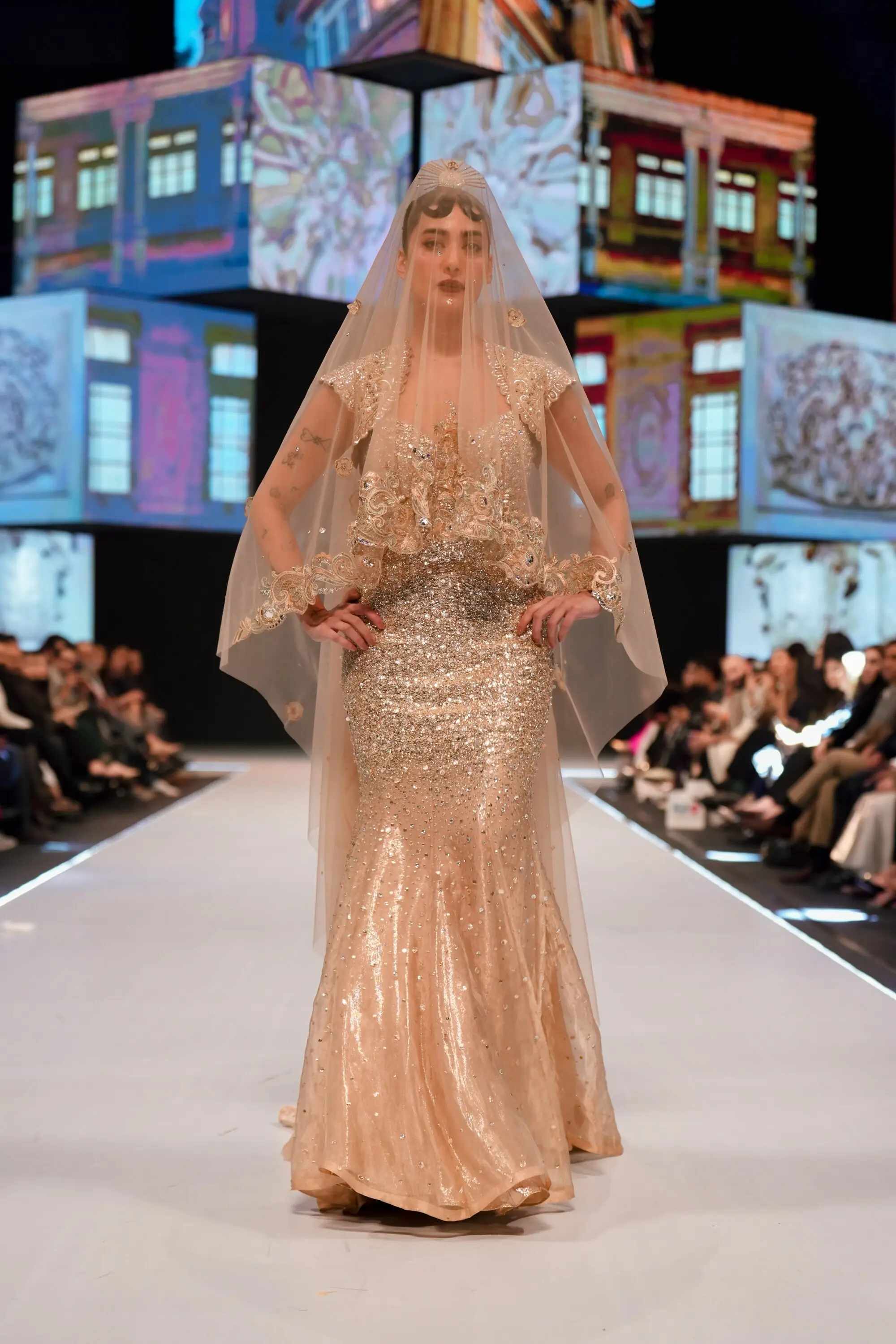
The opening showcases served as an ode to some the most recognisable names in Pakistani fashion names — Ali Xeeshan, Amir Adnan, Ammar Belal, Deepak Perwani, Élan, Fahad Hussayn, Feeha Jamshed, Generation, HSY, Huma Adnan, Hussain Rehar, Karma, Khaadi, Mahgul, Meeras by Nilofer Shahid, Mohsin Naveed Ranjha, Nomi Ansari, Rizwan Beyg, Saira Shakira, Sania Maskatiya, Shamaeel Ansari, Teejays, The House of Kamiar Rokni, Wardha Saleem, Zaheer Abbas and Zainab Chottani. The lineup underscored both continuity and influence within Pakistan’s fashion industry.
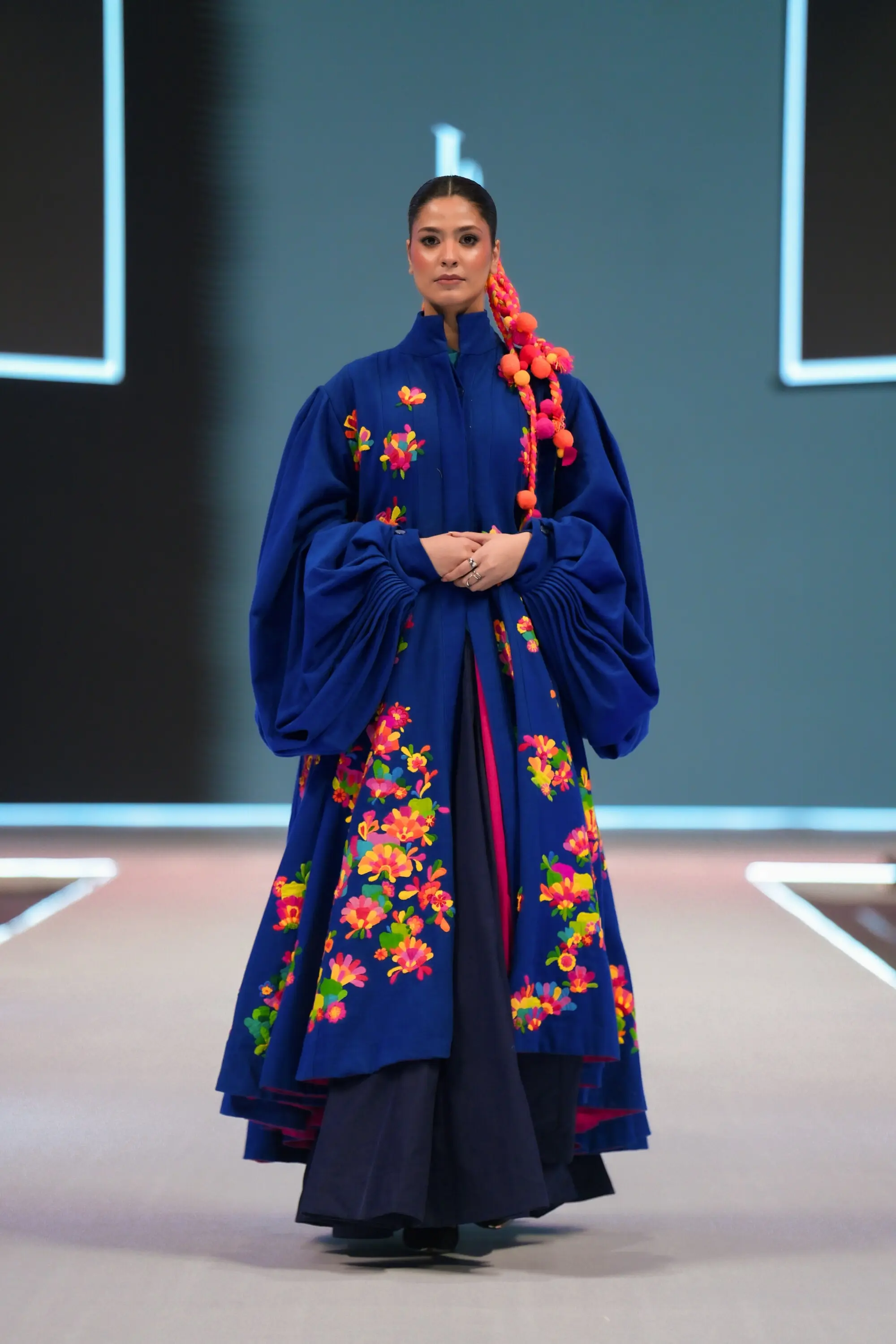
One of the most compelling segments of the week was the LFW Hot List, which spotlighted emerging designers from the Indus Valley School of Art and Architecture and the Pakistan Institute of Fashion and Design. Rather than feeling like a symbolic nod to youth, the showcase delivered confident and well resolved collections. In several instances, these presentations proved stronger and more coherent than those by established designers. The appearance of the Top 16 Pakistan Idol finalists on the runway added a layer of pop culture relevance to the showcase.
The young talent was a stark reminder to our more established designers that runway collections are not only vehicles for creative expression, but must also consider marketability, sustainability and scale.
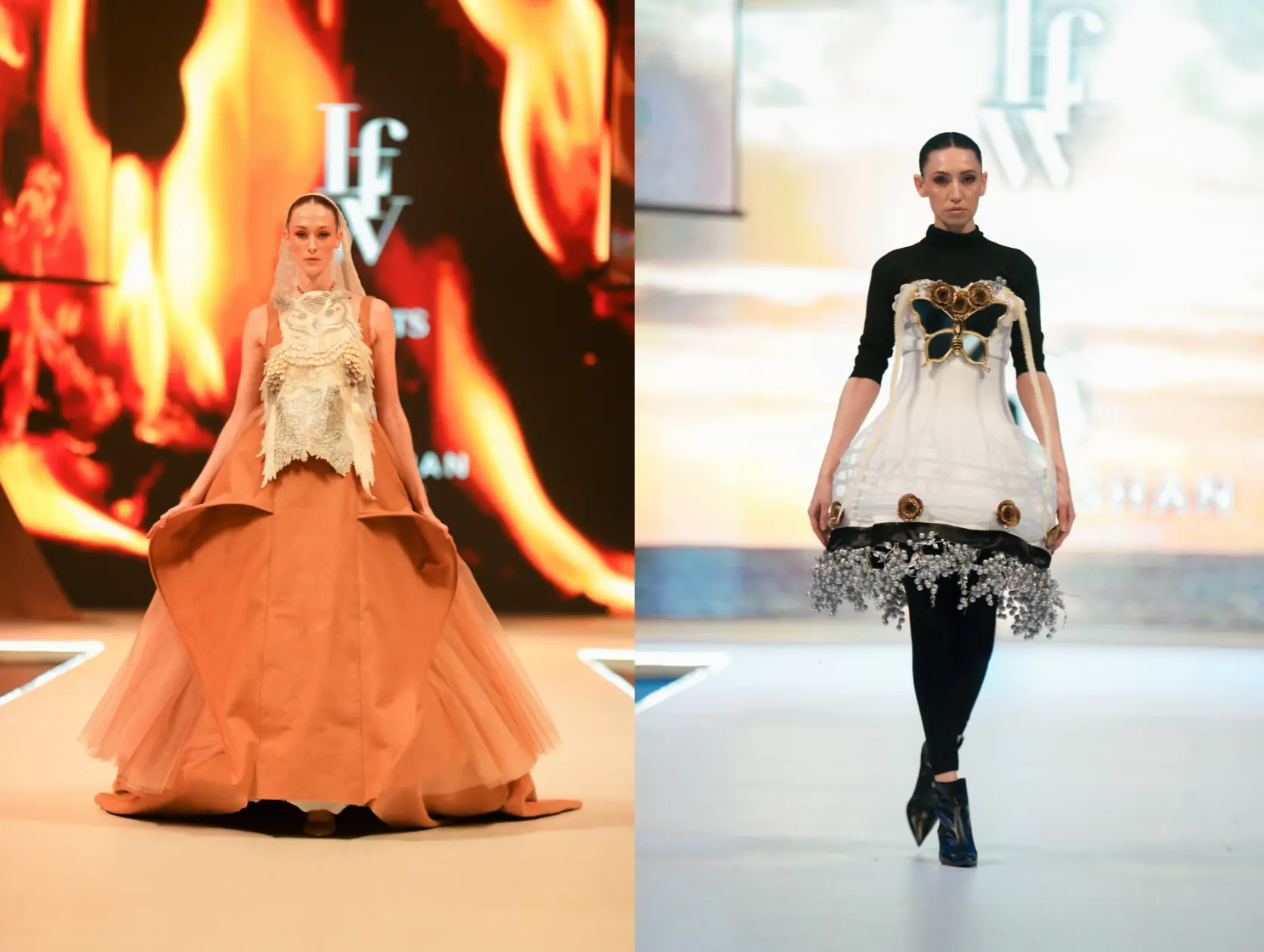
It was against this backdrop that certain collections struggled to find clarity. Ali Xeeshan’s presentation, for instance, felt directionless and disjointed. The collection appeared more like a scattering of ideas than a cohesive body of work. Beyond the underwhelming spectacle, the designs lacked commercial viability, sustainability and any realistic potential for scale, making the showcase feel forced rather than considered.
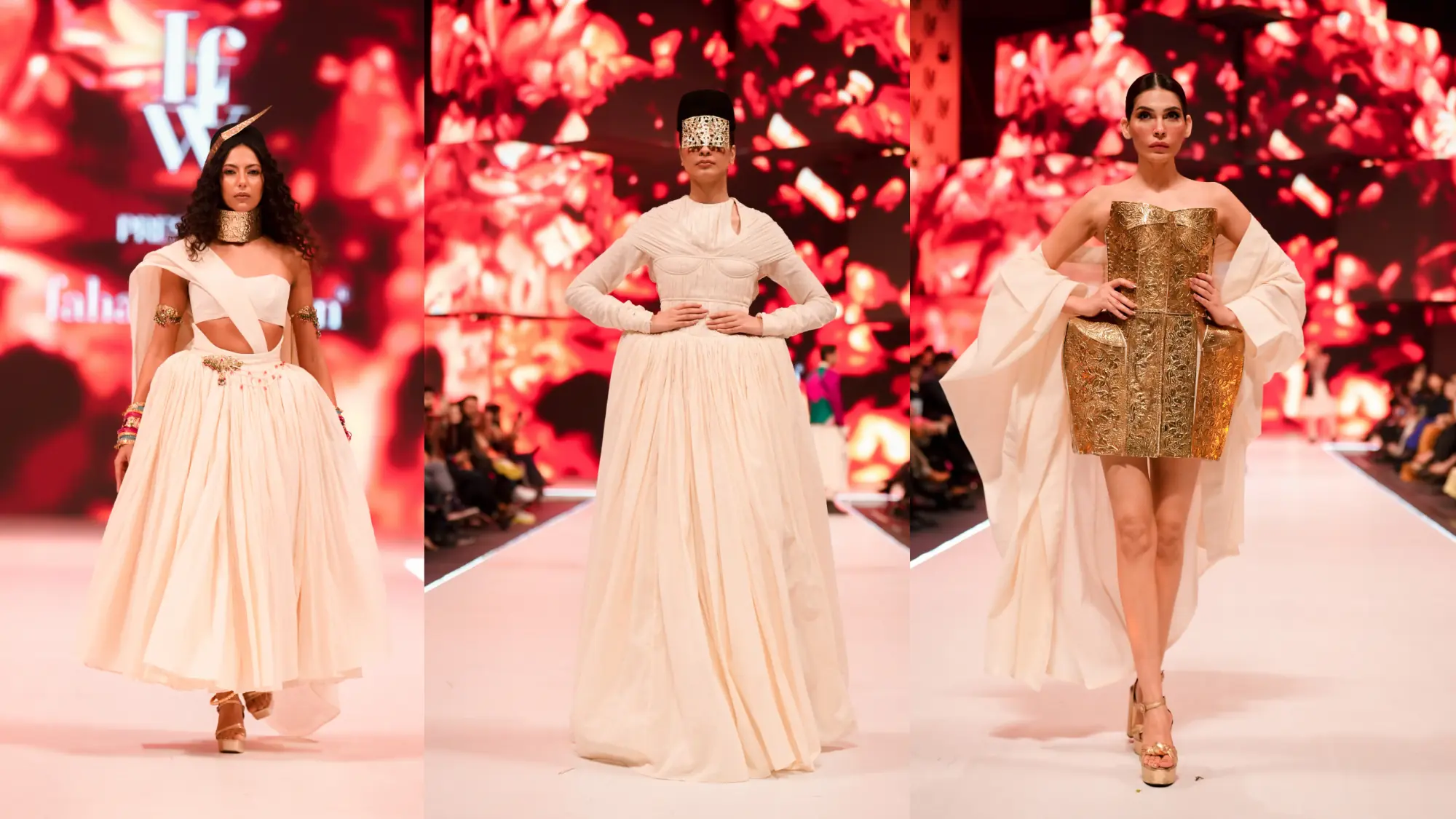
In contrast, Fahad Hussayn’s collection, inspired by the recently-revived Basant festival, struck a careful balance between cultural reference and year-round wearability. The colour palette felt fresh, the detailing was precise, and the collection demonstrated clear retail potential. The pieces felt relevant beyond a single season, offering statement value without sacrificing practicality.
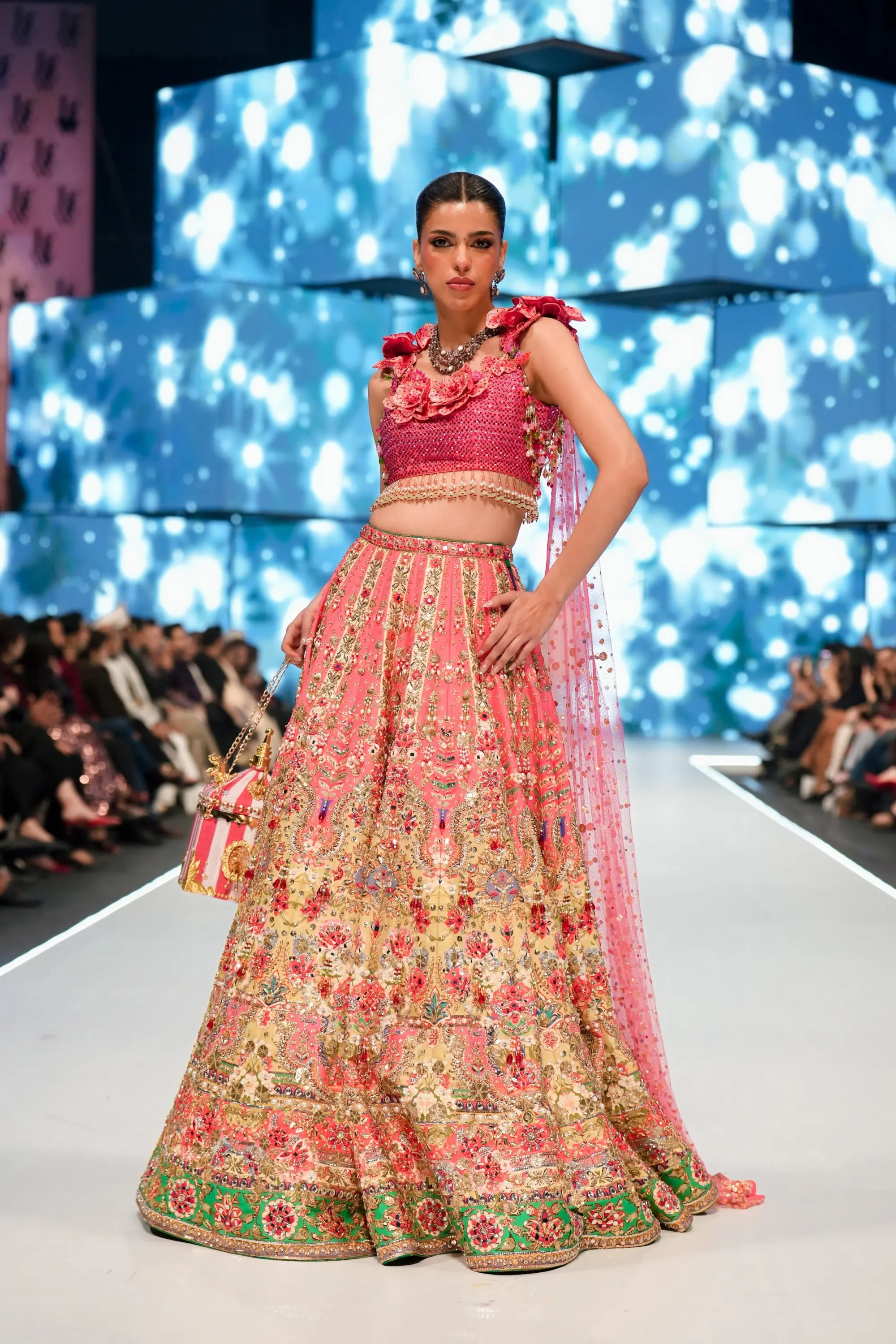
Nomi Ansari delivered a fun and fresh showcase that felt considered, showed potential for scale, and pushed the limits of fashion just enough to remain wearable. It was couture that listened to its audience.
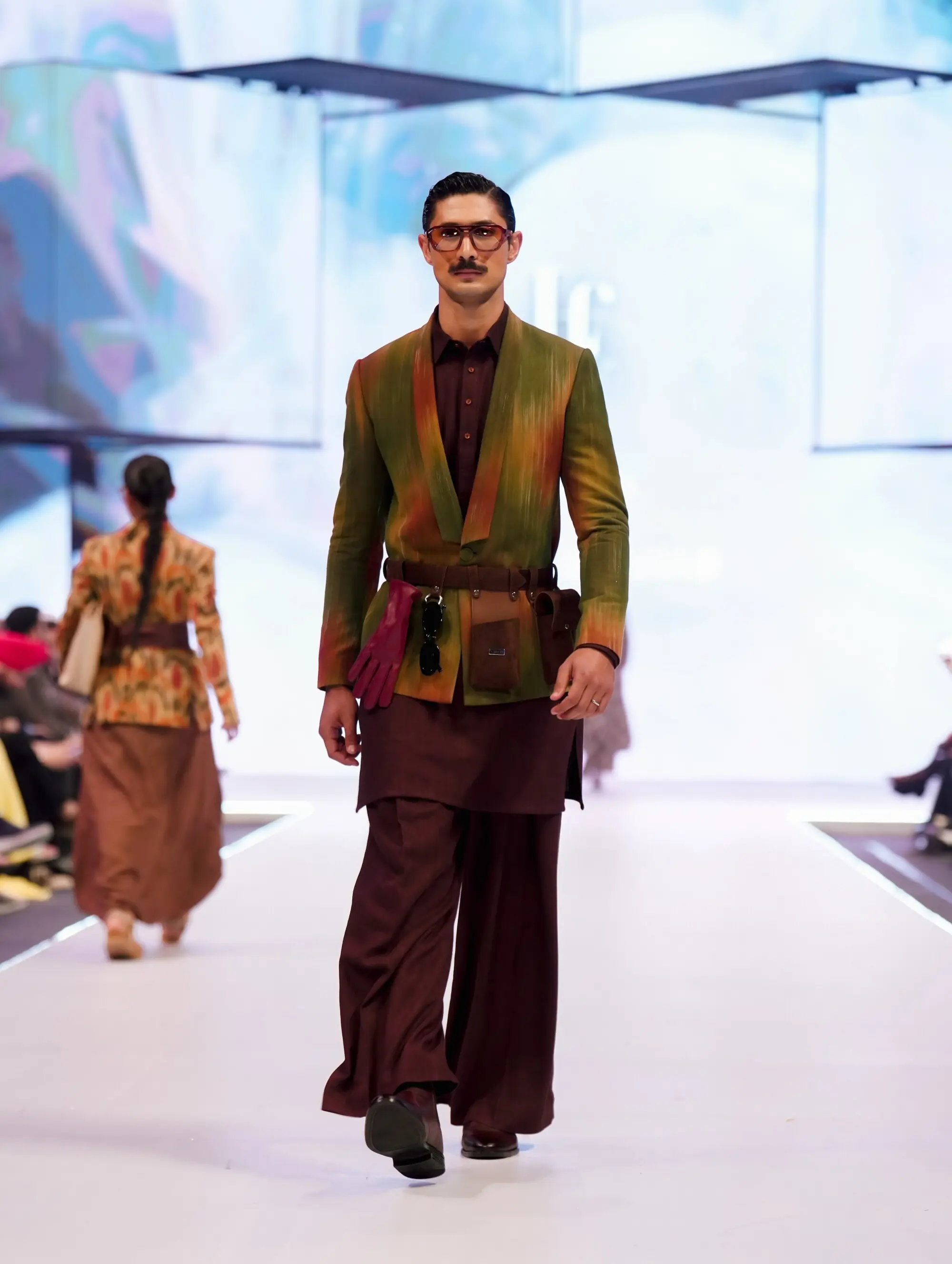
A solid showing also came from Deepak and Fahad, whose androgynous pieces felt wearable and retail friendly. The collections reinforced the idea that design integrity and commercial appeal do not need to exist in opposition.
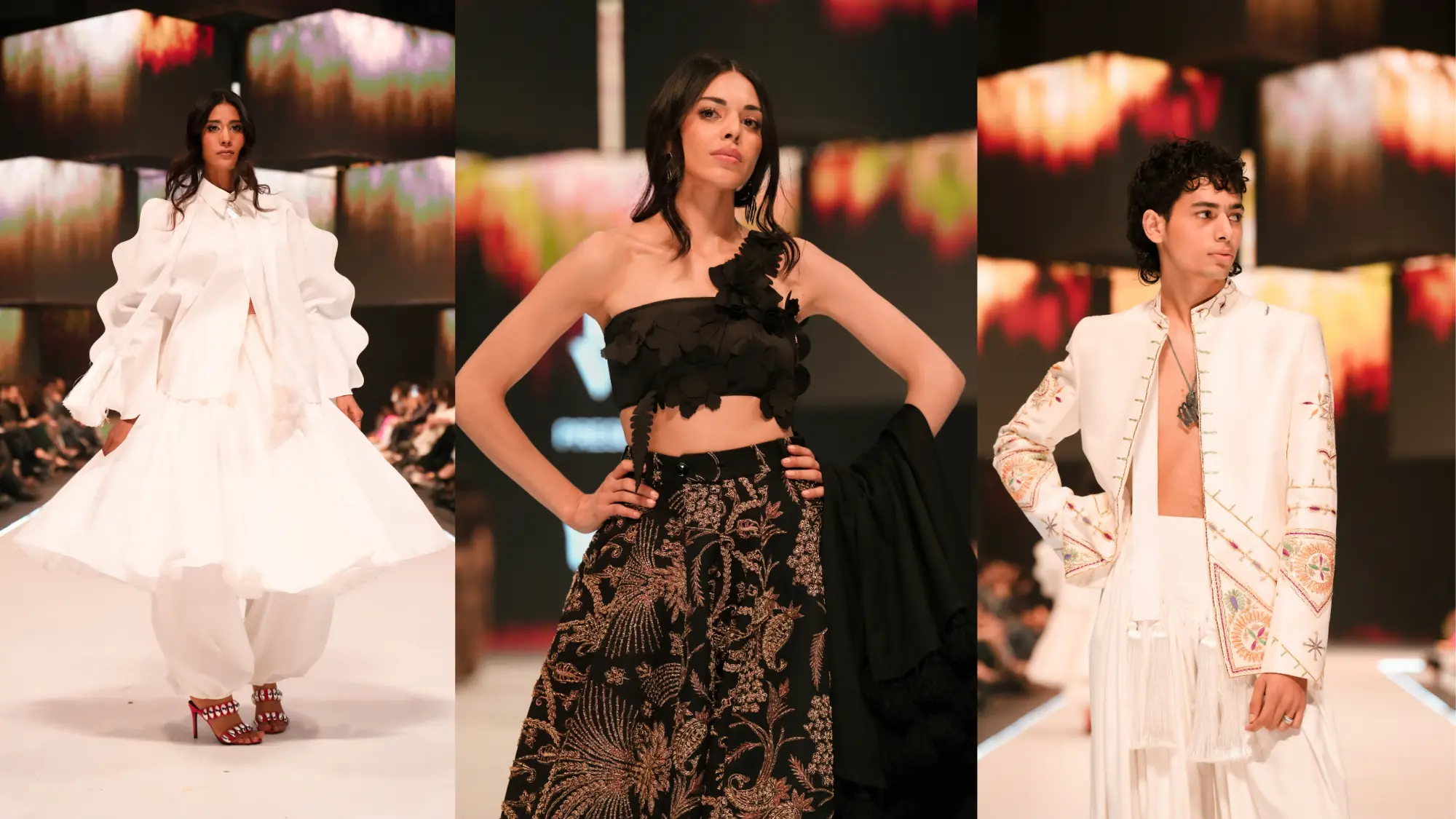
The strongest collection of the week, without contest, was presented by Mo by Mohsin Tawasuli. Defined by structured silhouettes and a restrained colour palette, the collection felt timeless, versatile and flexible. Designed to work across seasons and body types, it stood out for its clarity and refinement. While its retail pricing may prompt a separate discussion, the design sensibility itself was among the most accomplished on display.
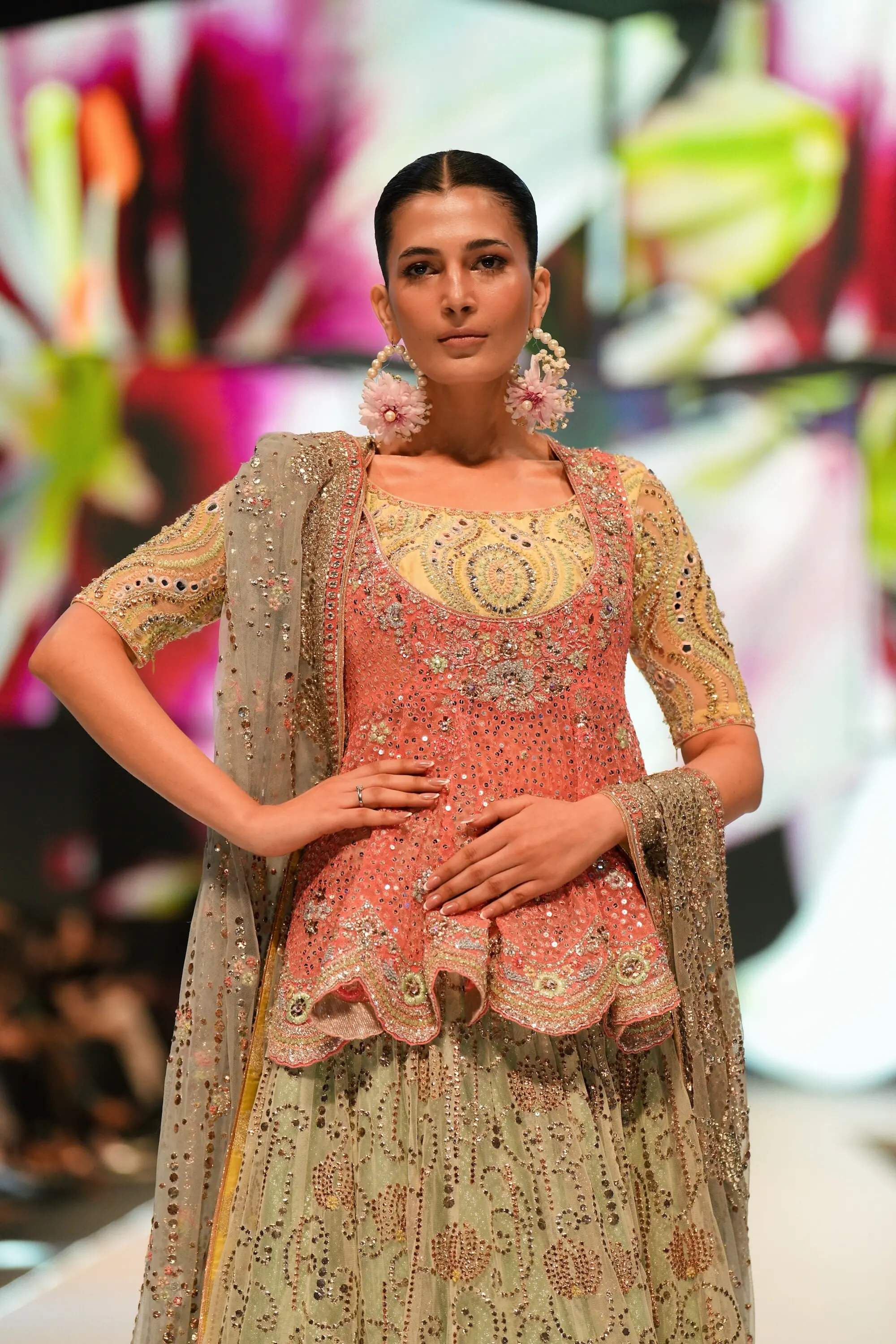
Other collections disappointed for different reasons. Tena Durrani’s presentation felt recycled, offering little beyond a bid for visibility, while Souchaj’s designs appeared dated, revisiting aesthetics that show no real indication of a meaningful return.
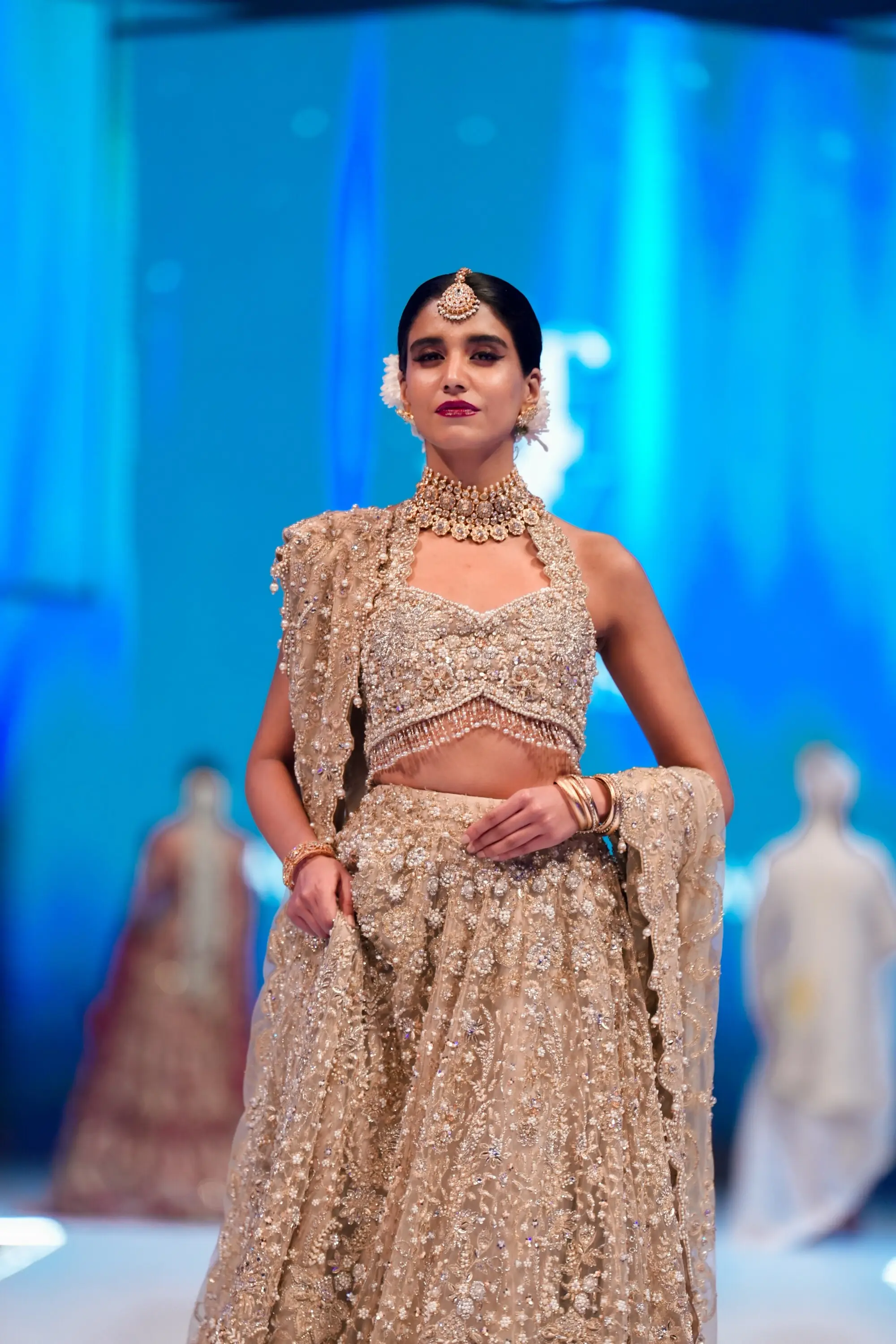
Sadaf Fawad Khan’s collection demonstrated a refined colour palette and attention to detail, though it remained predictable. Saira Shakira and Karma continued with their established design languages, offering consistency over innovation.
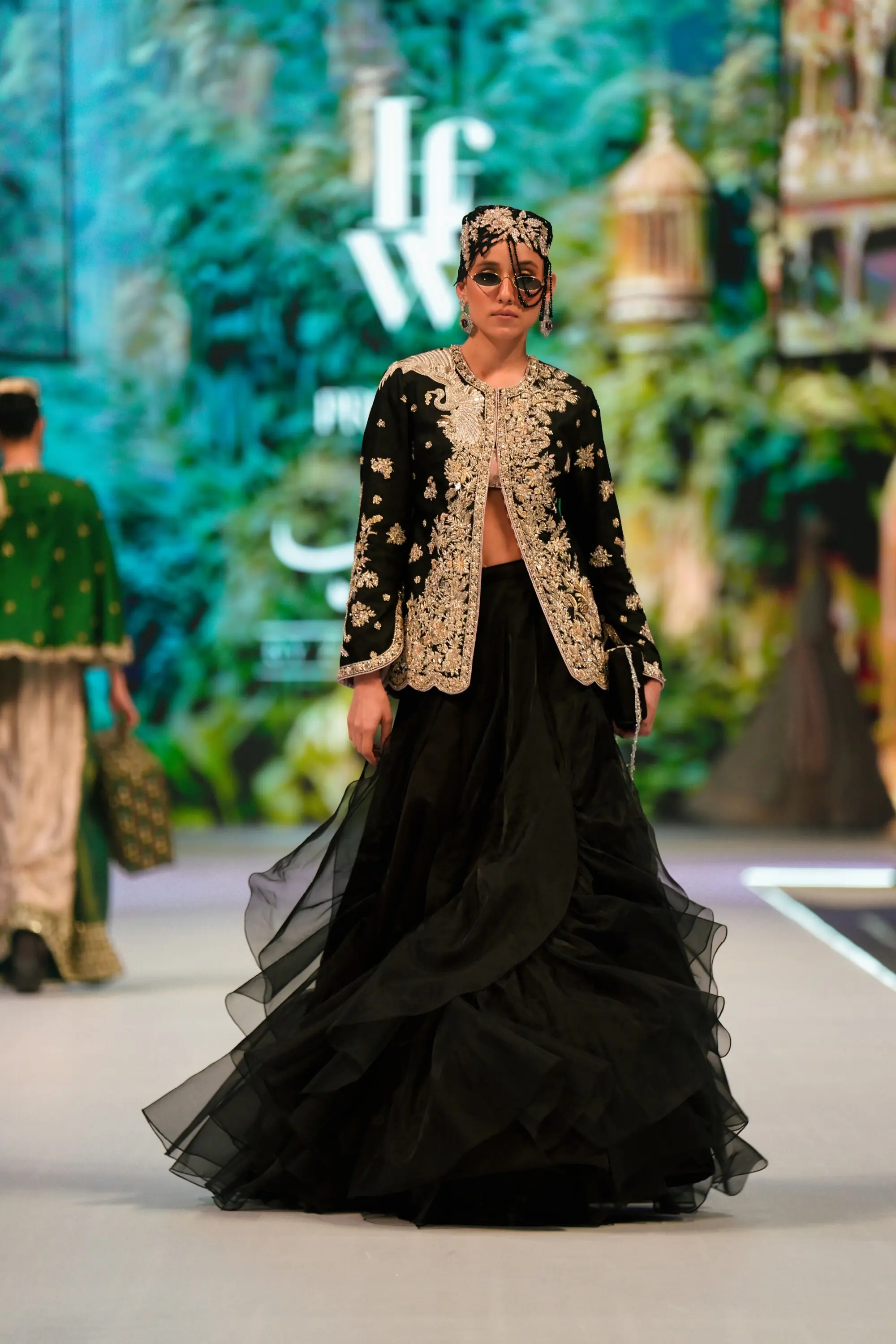
Zainab Salman presented one of the strongest collections on the opening day, though its impact diminished as the week progressed and stronger showcases followed.
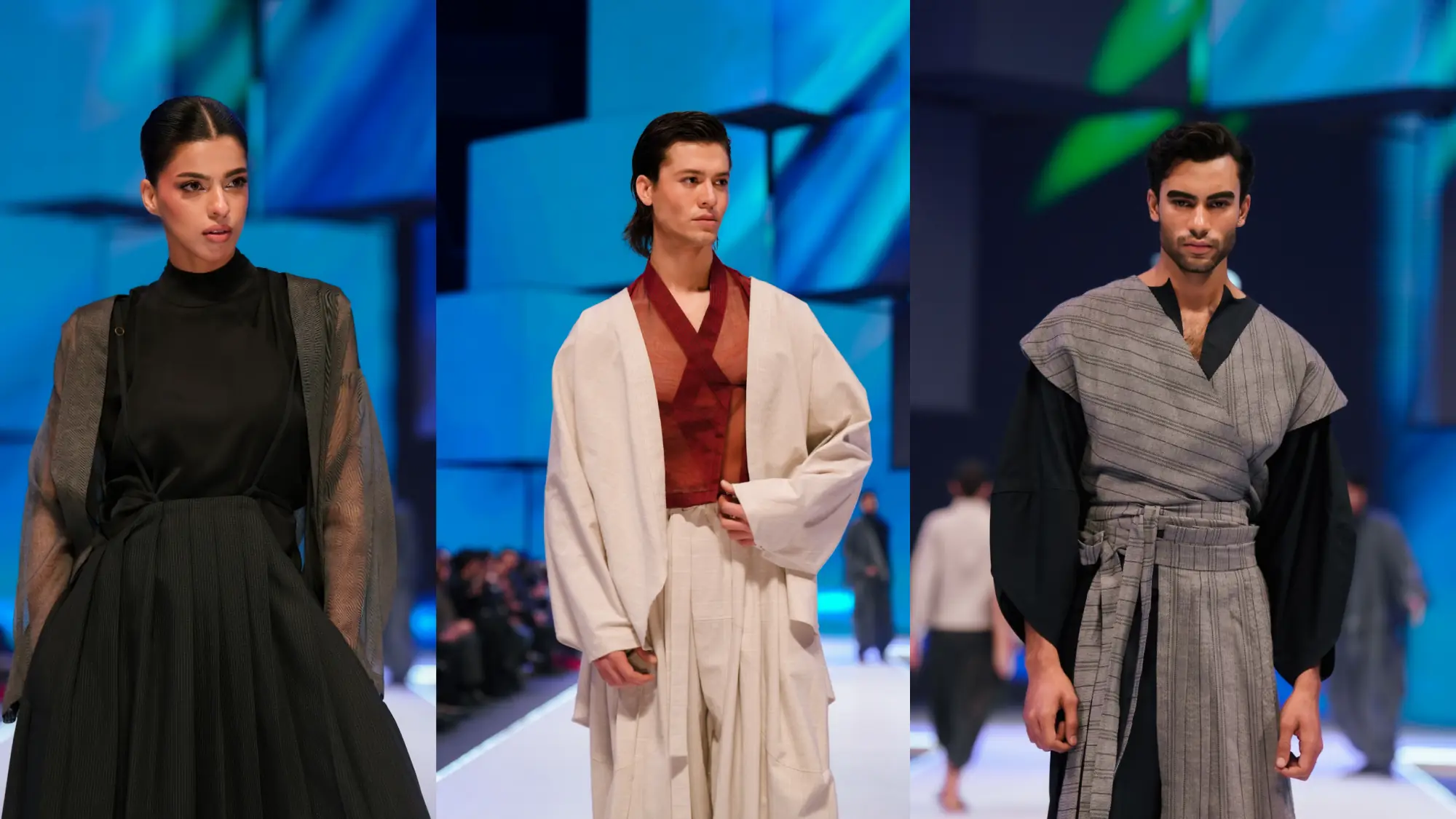
Among high-street showcases Kibo, Bulbul and Amna Ilyas stood out for their fashion forward thinking.
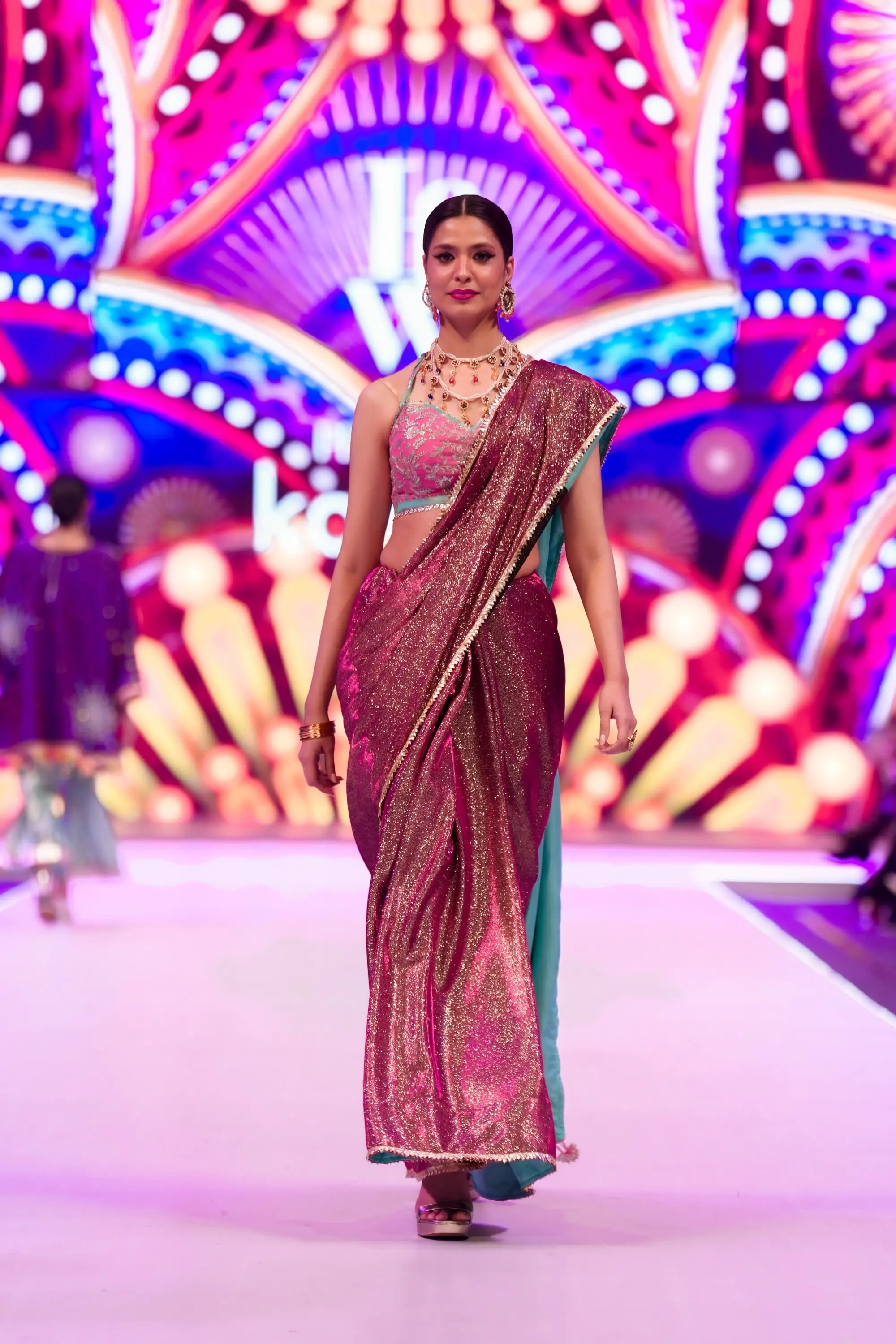
Ultimately, LAAM Fashion Week has set a new benchmark for fashion weeks in Pakistan, prioritising quality, integration and a clear understanding of the realities of the fashion business. Looking ahead to a second season, improvements in show management would strengthen the experience further, particularly fewer delays between showcases, greater respect for attendee time, and scheduling that avoids significant religious nights such as the 15th of Shaban.
Cover image: Zainab Chottani via Waqar Ahmed Butt/Paragon Studios
Comments