
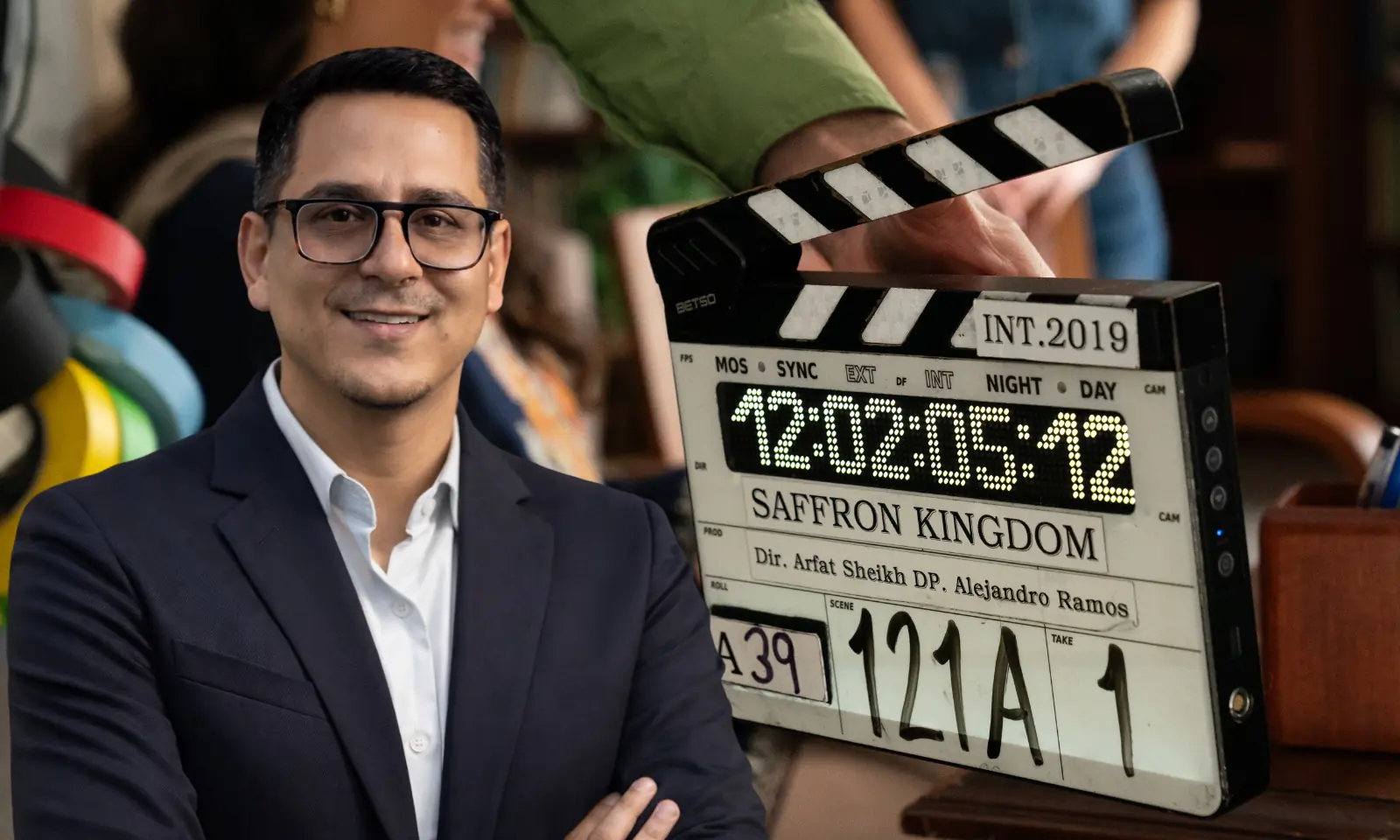
‘Bollywood is used as an instrument of oppression’: Filmmaker Arfat Sheikh is reclaiming Kashmir’s stories
The pen writing Kashmir’s stories has never been in Kashmiri hands. That’s what filmmaker Arfat Sheikh told me on a video call from his office in the United States.
A Srinagar native and the son of Ghulam Nabi Sheikh — a legendary singer known across the valley as the Mehdi Hassan of Kashmir — Arfat says the intention behind his film, Saffron Kingdom, was to take back that pen and tell his people’s side of the story.
A rebel made, not born
When I asked Arfat what led him to be a filmmaker, he told me he was a teenager in 2003 when his father was subjected to an enforced disappearance while travelling from Jammu to New Delhi.
The family was told Ghulam Nabi had died. When they went to collect his body, they were told it had been cremated. “We were given a picture of him… it was a mutilated picture, you couldn’t even tell it was him,” Arfat recalled.
With his father being a celebrity, the press was quick to pick up the story. “Nobody knew what had happened to him, but [the newspapers] kept making their own narrative. That’s when I felt they were taking that agency away from us. We weren’t even allowed to mourn… So, I thought owning that, reclaiming our own narrative was very important.”
After having studied in the UK, Arfat found himself back in his homeland, this time working in communications for a non-profit. The exposure to rural areas and listening to people’s stories made him realise just how many tales of tragedy there were across India-occupied Kashmir and how little attention they get.
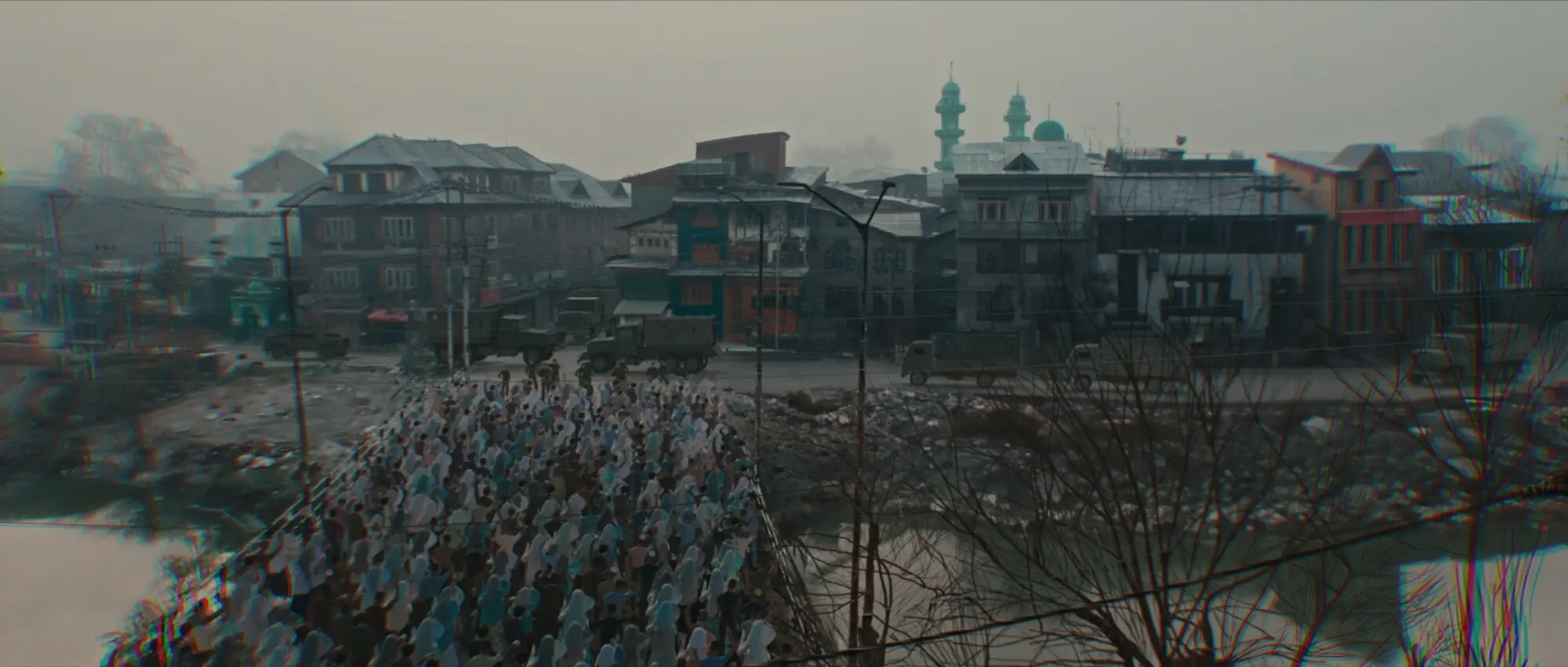
These tales of tragedy include the massacre at the Gaw Kadal Bridge — which is a plot point in Saffron Kingdom — as well as the mass rape of the twin villages Kunan and Poshpora. Arfat said he moved to the US in 2019 — just as New Delhi revoked Kashmir’s special constitutional status — to be able to tell these stories to the world.
A long labour of love
After moving to the US, Arfat studied filmmaking, building up the skills he’d need for his mission. When the time finally came to work on his own film, the first step took him right back to Kashmir.
He and his writer Marium Khalid spent months interviewing people on both sides of the Line of Control — the de-facto border between India and Pakistan in the conflict zone— and members of the Kashmiri diaspora.
When it came time to film, he was faced with another dilemma — nobody wanted to work on such a sensitive project. Indian actors, especially those from India-occupied Kashmir, were afraid of upsetting the Indian government. Pakistanis, the filmmaker believes, felt they would be closing doors to future cross-border collaborations.
That challenge, however, “turned into an opportunity” in Arfat’s words, as he received an outpouring of support from many minority ethnic communities around him.
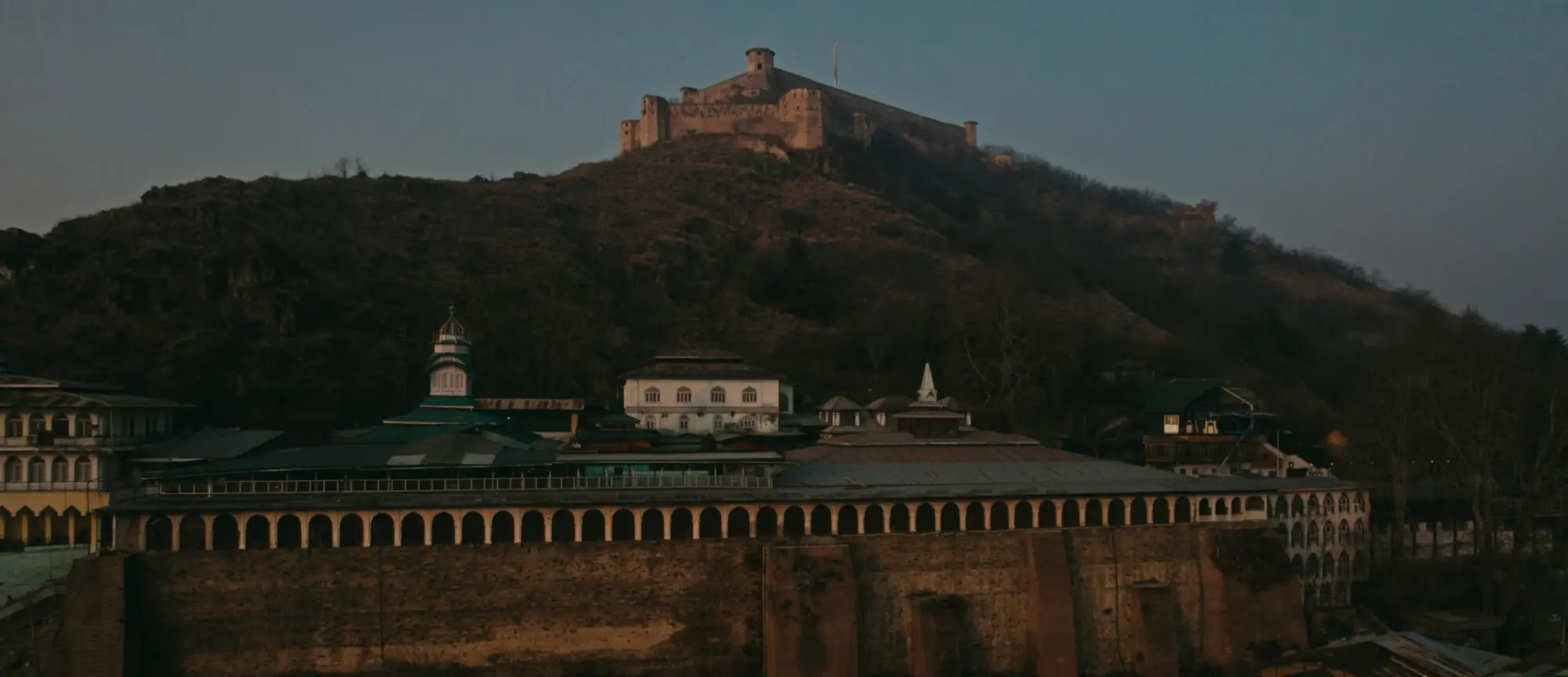
Filming was done largely in Atlanta, Georgia, with just a few exterior shots from the film actually shot in Kashmir. Those shots, the filmmaker told me, had to be done in secret because “[the Indian government] would not have allowed us to shoot something with such a sensitive subject matter, which exposes Indian atrocities”.
It took Arfat and his team two years to make Saffron Kingdom, which he was quick to point out isn’t his own story. “It’s a story of the people of Kashmir… a lot of people maybe think that it’s my father’s story, it’s not.”
He called the film a “collective presentation of a lot of the grief that happens in Kashmir”.
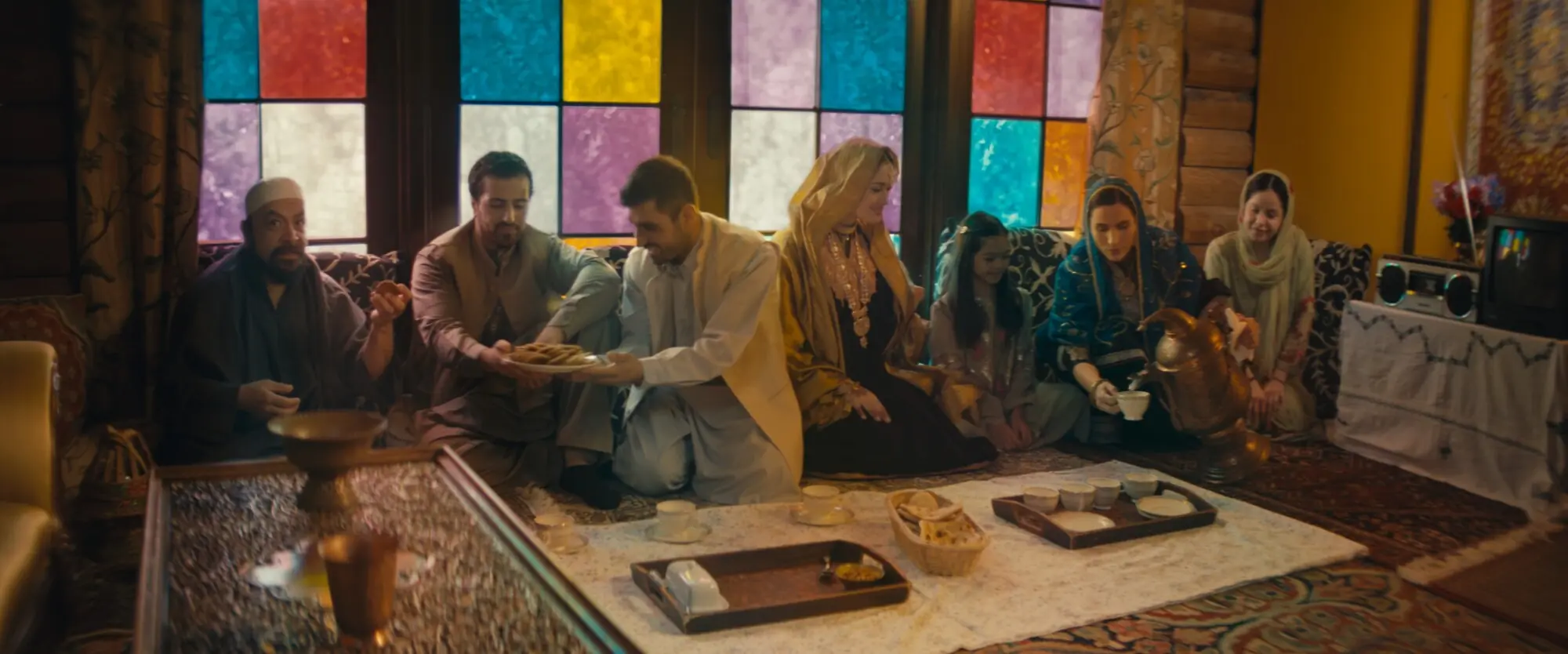
The film follows Masrat (Diana Aras), a half-widow — a term used for Kashmiri women whose husbands have been abducted by Indian authorities. She flees the valley with her young son Rizwan (Alex Cheeks) in the wake of her husband’s enforced disappearance.
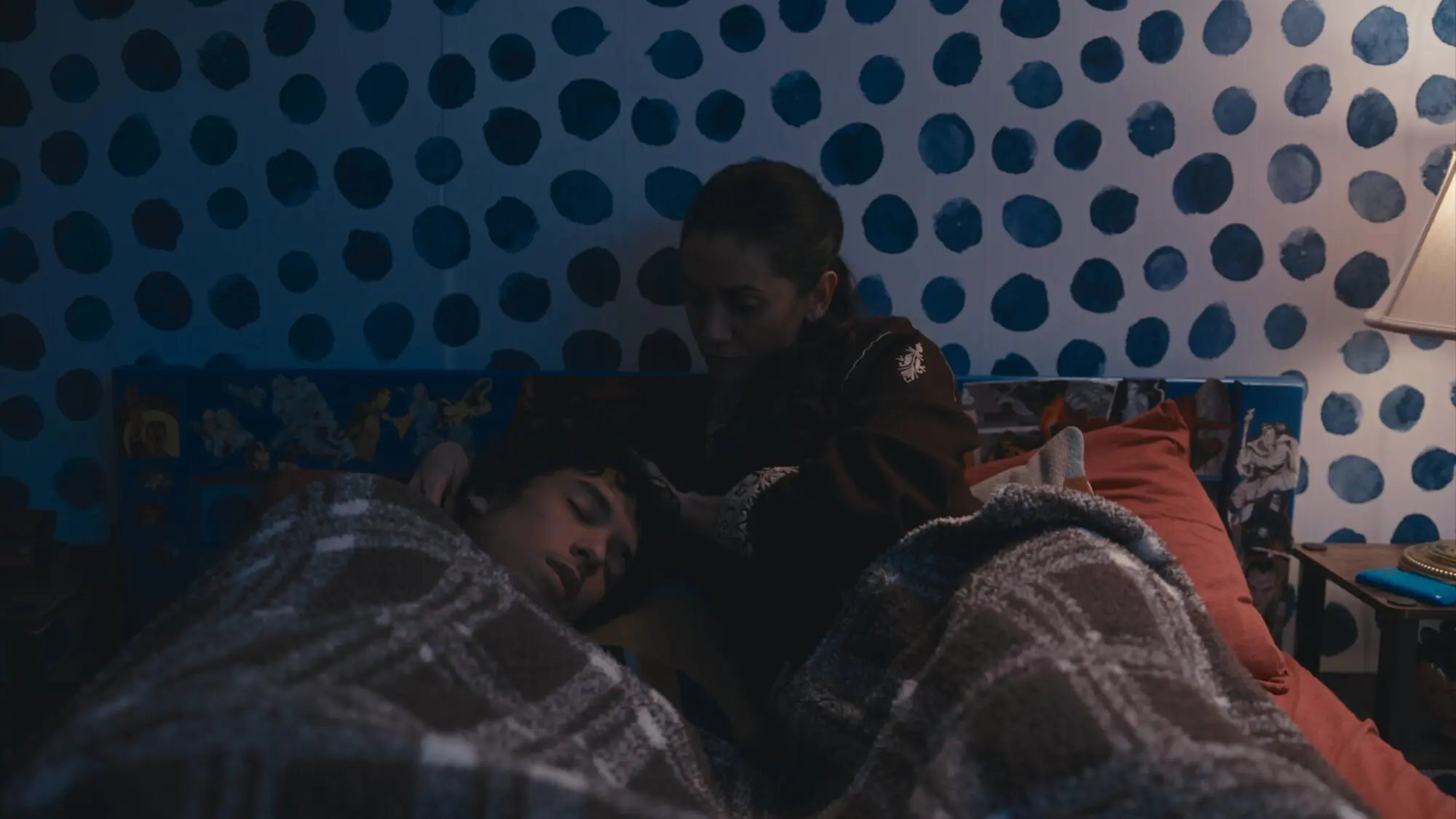
Masrat settles in the US, where both she and Rizwan must grapple with traumatic memories from their time living under occupation. The filmmaker said women played a central part in the movie, “the main character is a woman… you see another woman playing an important role… it’s an allegory I’ve used”.
“You don’t see a lot of men in the film because there aren’t a lot of men [left] in Kashmir,” he explained, “but you see women, and through them you understand what it takes to live in an occupation.”
Art is political
Arfat insists his film isn’t “anti-India,” just “anti-Indian-occupation”. The movie doesn’t vilify anyone, he said, “it talks about how occupation works, a military occupation, it humanises our struggle”.
That is in contrast to Bollywood, which the filmmaker argued was “used as an instrument of oppression”.
Kashmiri representation, he said, started off with filmmakers like Yash Chopra using the scenic valley as little more than a backdrop for his very Indian films, “Indian actors coming from India and being placed in Kashmir… you see the beauty of Kashmir, but everything else is India, what they wear, the clothes, everything.”
There was some tokenism at the time, the odd Kashmiri extra rowing a shikara. That all changed in the 90s when the armed struggle against Indian occupation picked up and Kashmiris became India’s favourite villains.
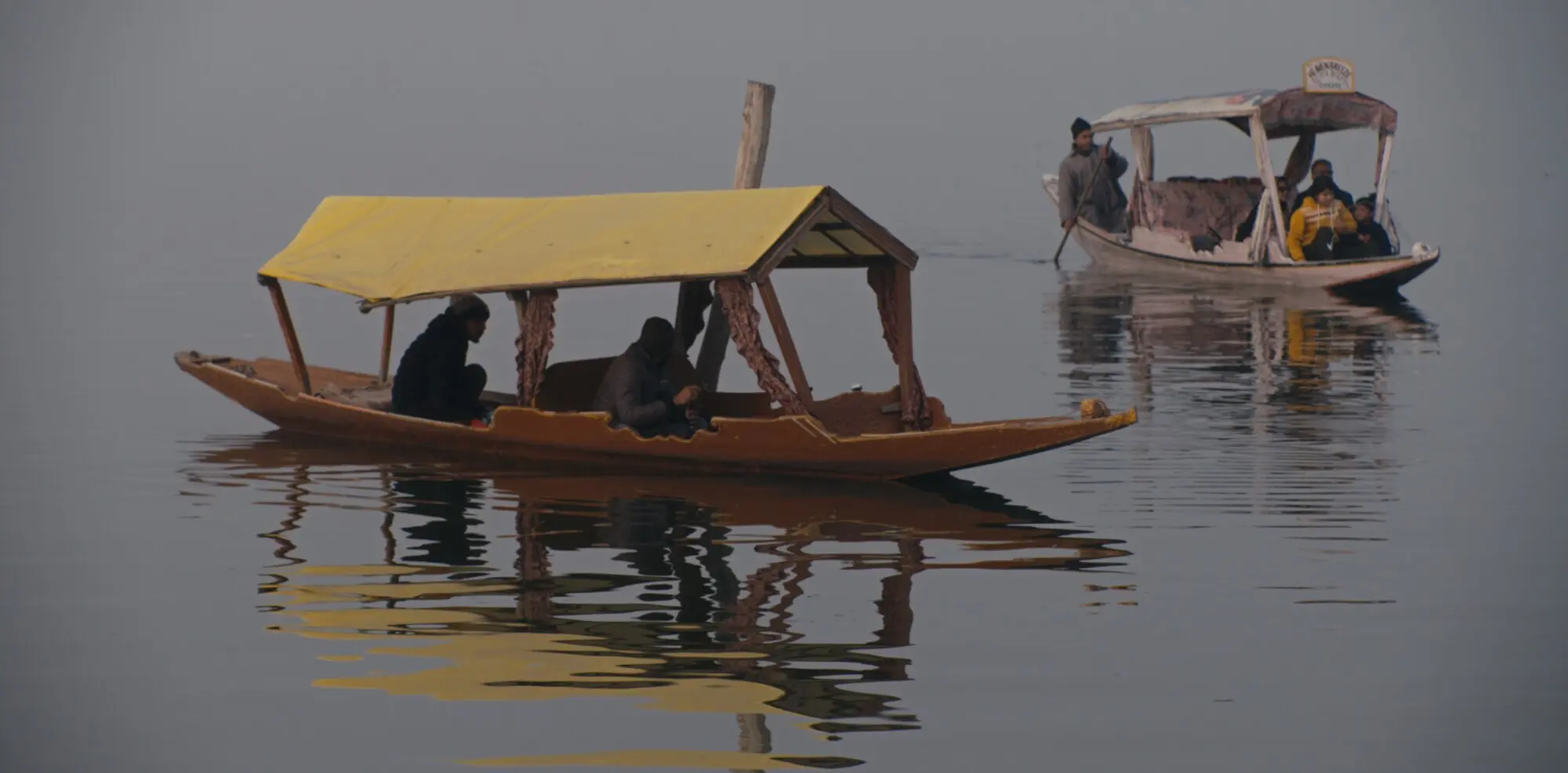
The filmmaker quipped that Bollywood’s narrative drowning efforts against Kashmiris and even India’s own Muslims had reached a point where “if a film doesn’t mention Pakistan and Kashmir, I don’t think it even releases”.
He said these efforts were effective too, with many Indians he’d met during his time there using Bollywood to inform their perception of Kashmir and its people.
While he admitted things had gotten worse for Indian Muslims after Narendra Modi and his Bharatiya Janata Party (BJP) came to power in 2014, Arfat said Kashmir’s brutalisation started long before, a violence that continues today.
“I don’t think matters if it’s a BJP government or a Congress government, we have always been suffering… as a Kashmiri, I think the policy of India as an occupation has always remained the same. It’s just that Modi tells you [that policy] to your face.”
Plans for the future
When asked what his plans were for the future, the filmmaker said he hopes to get Saffron Kingdom screened as widely as possible. He said he was especially interested in finding a distributor in Pakistan, where “the newer generation needs to understand… their brothers and sisters are suffering”.
He’s been playing the film in sold-out theatres elsewhere and said it resonates with many different minority communities, especially “people from Gaza, from Ukraine, from Syria, from Sudan, and also people who have left their home places because of what’s happening [there]”.
This is why Arfat believes Watermelon Pictures bought distribution rights for his film. “It aligns with what they’re trying to do, make sure such narratives come to the forefront and people get to know about them.”

Saffron Kingdom joins Academy Award nominee The Voice of Hind Rajab, Palestine 36, and Pakistan’s 2025 Oscar submission The Glassworker in the distributor’s library. The film will be available on their streaming platform, Watermelon+, from May.
The filmmaker told me the African-American community in particular had given him a strong response. He said Muslims and Kashmiris could learn a lot from how African-Americans broke “Hollywood’s hegemony” on black people’s stories.
As for his work, Arfat said he was already working on his next project, a short documentary on the Kashmiri village of Dardpora — home to the region’s highest concentration of half-widows.
He said his team at Daffodil Studios was also working to extend their expertise to other marginalised communities. They plan to begin writing their next feature soon.
Comments