
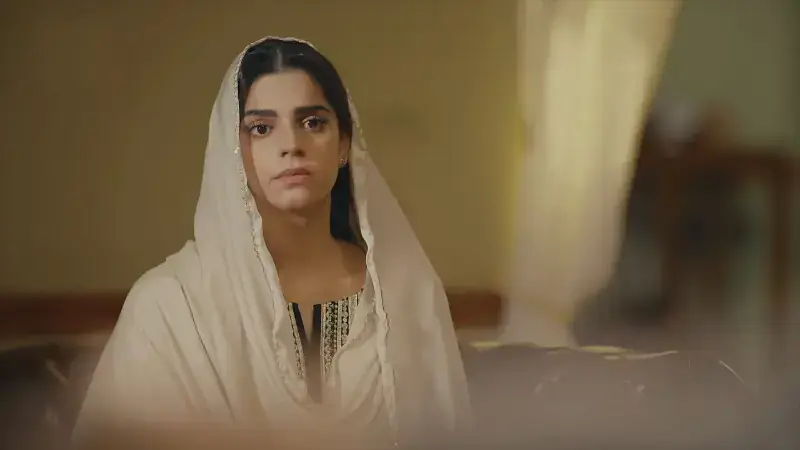
Why Pakistani women no longer see themselves in TV dramas


For nearly three decades, Uks Research Centre (uks meaning “reflection”) has been examining women’s issues in Pakistan, with a particular focus on how women are represented and stereotyped in the media. On Tuesday, the Islamabad-based organisation held an informal online webinar to unpack a growing concern: the widening disconnect between female characters in Pakistani television dramas and the lived realities of women watching them.
The discussion aimed to place both the good and the problematic aspects of contemporary storytelling under the microscope, while assessing how close portrayals of female characters are to reality. The webinar was attended by a mix of participants and journalists.
According to a recent online Uks poll asking women whether they relate to female characters in Pakistani dramas, only 14 per cent of the 78 respondents said they “very often” relate to what they see on screen. More than half said they rarely or do not at all connect with these portrayals, pointing to a clear and growing gap between representation and reality.
Opening the session, Uks Founder Tasneem Ahmar reflected on her own relationship with Pakistani television, having grown up watching dramas from the 60s, 70s and 80s. She reminisced about PTV classics Khuda Ki Basti and Haseena Moin’s Dhoop Kinare, describing them as driven by honesty and message-led storytelling — something she believed current drama serials are distant from.
Comparing the past and present, Ahmar offered a telling example of how realism has slipped: women are often shown cooking or doing household chores with a full face of makeup and freshly blow-dried hair. According to her, these visuals may seem harmless, but they silently set unrealistic standards for real women.
“My personal conflict is that our dramas prompt the wrong message that you have to look pretty everywhere,” she said, commenting on the impact such portrayals have on younger viewers.
Several younger participants echoed this frustration, sharing how disconnected they feel from what is presented on screen. One participant, Fareha Jamal from Uks, spoke about how she is usually in pyjamas at home — a far cry from the perpetually polished women seen in dramas. She also criticised the depiction of women attending funerals with manicured nails and full makeup.
Another participant, Rafia Arshad, pointed out that these exaggerated portrayals slowly seep into real life without audiences even realising it. From hyper-glamour and unrealistic expectations to lavish homes, she argued that dramas are no longer just stories — they are shaping aspirations. She also flagged the growing obsession with behind-the-scenes content, house tours and cast lifestyles, suggesting that the original purpose of storytelling is being sidelined.
According to Arshad, creators need to return to the “point behind showing dramas”, where entertainment is inseparable from responsibility and the messages being transmitted to viewers.
While some recent dramas, such as Case No. 9 and Aik Aur Pakeezah, were praised during the discussion for tackling women-centric issues, Ahmar raised concerns about execution. Referring to Case No. 9, she noted that the inclusion of multiple authority figures — from police officials to news anchors — sometimes diluted realism, even in a story that addressed real societal problems.
“What we lack actually is effective storytelling,” she said.
The discussion concluded with remarks by Sheherzad Samiuddin, a senior communications consultant at Uks, who emphasised the responsibility that comes with storytelling, especially given the influence television dramas wield across generations.




Comments