
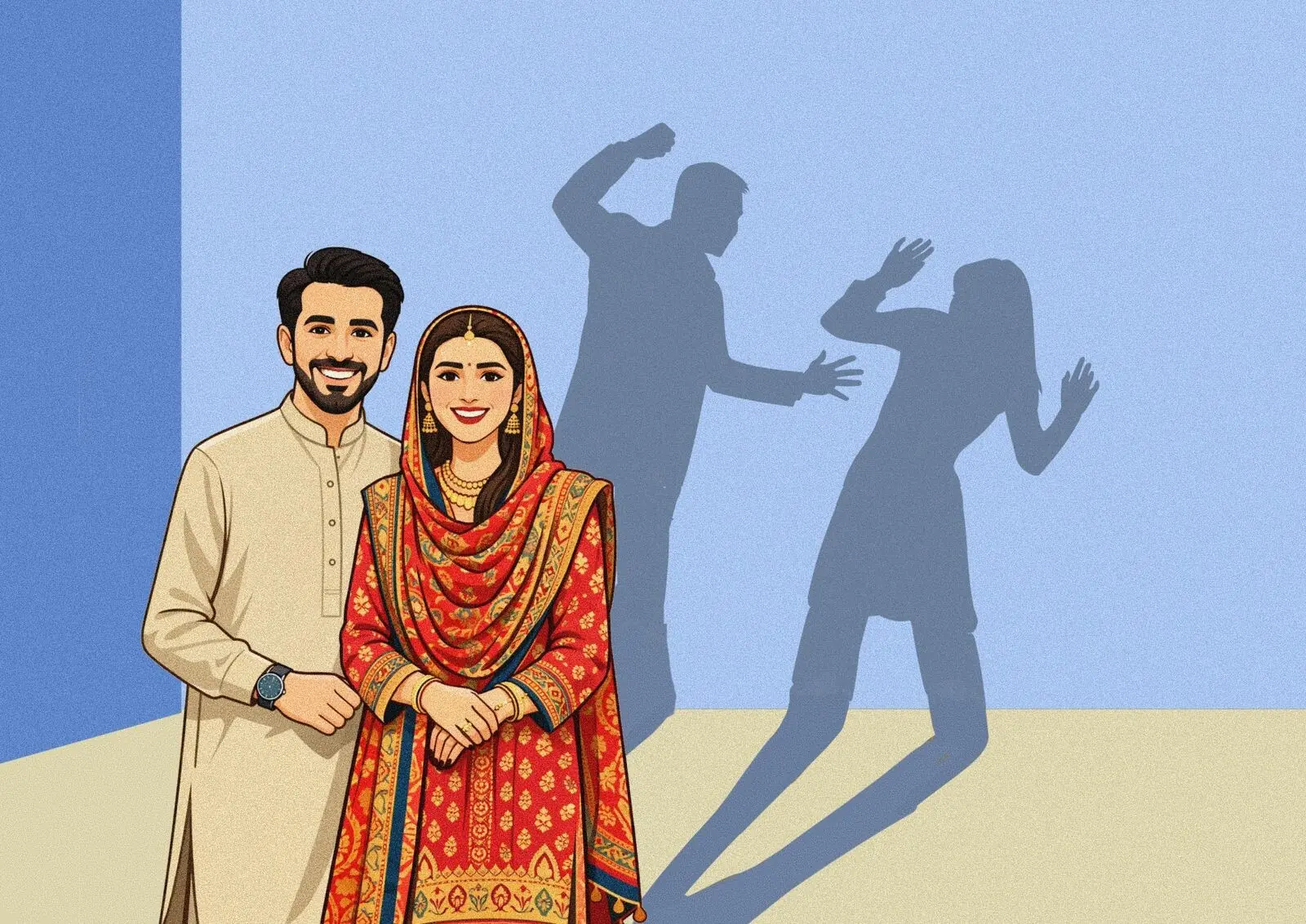
Why do we swoon over drama characters whom we would cross the street to avoid in real life?
Pakistani mainstream media remains deeply enamoured by a warped fairy-tale — a troubled man, an endlessly patient woman who ‘fixes’ him and a society that keeps enabling this dysfunctional union.
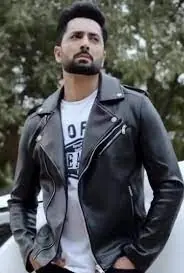
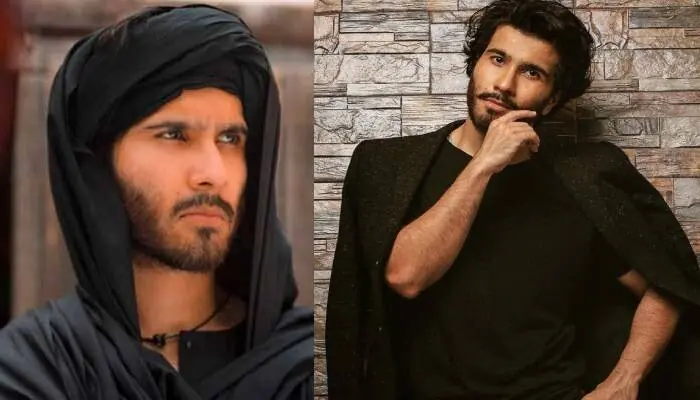
Conditioned by decades of problematic Bollywood love stories, the idea of the hero who will stop at nothing to achieve his one true love is still framed as passion rather than male chauvinism. This trope of the troubled, toxic man is so pervasive that certain actors like Danish Taimoor and Feroze Khan have built their entire careers around it.
Why do we swoon over characters on screen whom we would cross the street to avoid in real life?
The fixer mentality
The allure of this fixer mentality has psychosocial roots. In a patriarchal society such as ours, women are conditioned — from a young age — to tolerate toxic men. They are taught that, if they are kind enough and wait long enough, such men will eventually change for them.
Why do our heroines indulge in this doomed fantasy? Psychologists refer to this as the “self-expansion theory”, which suggests that people are driven to grow and expand their sense of self through romantic relationships. The fantasy of fixing someone carries an inherent reward: it positions the fixer as the reason behind another person’s transformation and enhances their self-worth.
What sustains this trope is the idea of women’s endurance as an investment, suggesting that enough emotional labour will eventually yield a reformed man, along with social credit for having ‘made him better.’
Traumas or mere excuses?
These flawed male characters are often given traumatic backstories, meant to justify their problematic behaviours.
Bilal Abbas’ character in his new drama Meri Zindagi Hai Tu, Kamyar, aligns with this trope. Across social media, the prevailing narrative suggests that Kamyar’s toxicity is merely the product of bad parenting and that, once he encounters the “love of his life” Ayra (Hania Aamir), he recognises the error of his ways and reforms entirely for her. All she has to apparently do is endure arson, stalking and coercion before his moral awakening can begin.
The onus is on the writers and storytellers to make the distinction between explaining and excusing toxic behaviour. Recognising the role of parenting or childhood trauma in shaping someone’s problematic behaviour does not justify their actions or absolve them of responsibility. An individual is not a passive product of their circumstances but can exercise autonomy over how they think, feel and behave.
When movies and dramas fail to make this distinction, it reinforces the stereotype that walking red flags are merely broken, not toxic and hence deserving of redemption.
Sympathy for toxic men
Portraying male characters as “misunderstood” or “emotionally damaged” encourages audiences to empathise with their problematic behaviours while judging women for not being patient.
Harassment, intimidation and coercion are depicted as acceptable ways for a determined man to win over a woman, reducing women to rehabilitation centres for these troubled men.
In the recent drama Pamaal, Raza’s (Usman Mukhtar) character is a controlling narcissist who takes over his wife Malika’s (Saba Qamar) life, diminishing her from being a talented writer to a shadow of her former self. The narrative justifies his actions as being cognisant of the society we live in, as Malika is portrayed as gullible and immature. Ultimately, after serving jail time and suffering from a fatal illness, the story seeks sympathy for Raza, effectively absolving him of his past abuse.
Women with red flags in dramas are rarely afforded redemption arcs — case in point: Mahwish (Ayeza Khan) in Mere Paas Tum Ho. A woman with red flags is branded as characterless; a man with red flags is perceived as complex.
Another issue is the lack of nuance in the redemption arc, which tends to swing wildly between extremes. Characters are portrayed in broad strokes of black and white — men are either overly infatuated or emotionally unavailable, aggressive or overpowered. There is little room for moral grey, yet that is where the majority of our personality traits lie.
In this regard, Parwarish’s Wali (Samar Jafri) stands out as a rare, well-rounded character — flawed, stubborn, selfish and human.
Life imitates art?
Redemption arcs ultimately serve as mirrors of societal values. In a culture shaped by patriarchal norms, this often leads to normalisation or the outright excusing of harmful behaviours. This brings us to the longstanding question: should art carry a moral responsibility, or should it exist solely to entertain?
The portrayal of masculinity in mainstream media does not only reflect society — it actively shapes it. When toxic behaviours are repeatedly normalised and romanticised in mainstream media, they begin to feel normal off-screen.
This is where representation becomes a double-edged sword. Showing taboos such as divorce, or perpetrators of sexual violence against women being held accountable (such as in Case No. 9) can normalise progressive social change. Conversely, romanticising stalking, coercion and public humiliation can have dangerous consequences. These stories cease to become just harmless fantasies. They become inspirational.
In June last year, Sana Yousaf, a 17-year-old social media influencer, was shot dead after reportedly rejecting a man’s advances. The perpetrator has since been charged with murder. In our dramas, similar behaviours would most likely be romanticised, and the man engaging in them would be granted a redemption arc.
Our fascination with redeeming red flags reveals the prevailing norms of our society. Who we choose to forgive and at what cost shows what we value as a society. It shows that harm can be undone without accountability, and that women’s suffering is a necessary stepping stone to men’s moral evolution.
Until we stop romanticising red flags and demand accountability from mainstream media, we continue to endorse toxic behaviour.
The writer is a clinical psychologist and a freelance journalist. She can be reached at rabeea.saleem21@gmail.com
Originally published in Dawn, ICON, January 18th, 2026
Comments