
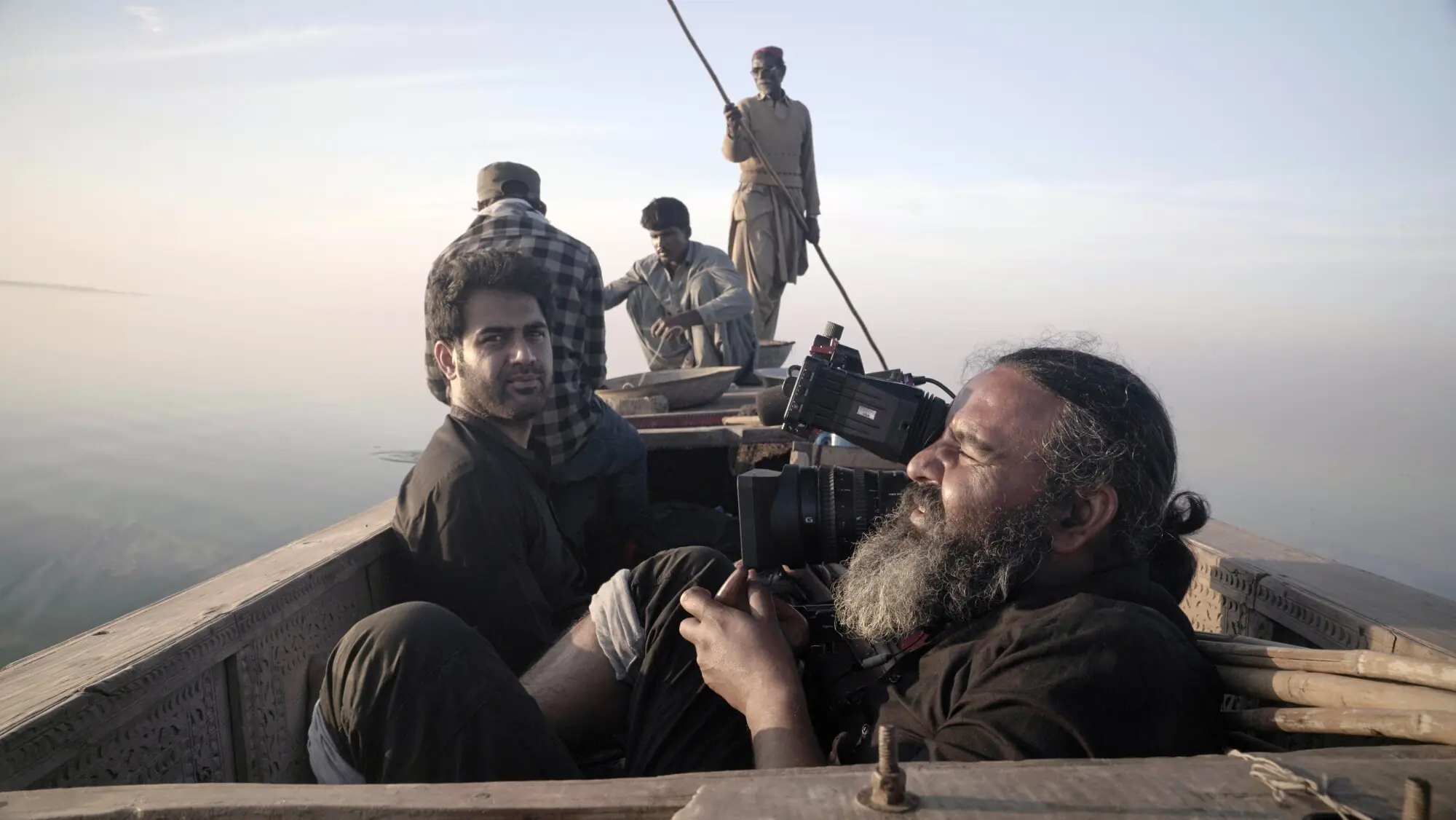
Jawad Sharif’s Moklani: The Last Mohanas is giving voice to a disappearing culture


On the morning of October 3, six members of a documentary team gathered in tense silence around a computer screen at a small Islamabad studio. Thousands of miles away, at the Centre for the Arts in Jackson, Wyoming, the 2025 Jackson Wild Media Awards gala was underway and they were poised to make history.
Holding their breath, the Jawad Sharif Films team watched anxiously. The room then erupted in joy — their film Moklani: The Last Mohanas won the coveted Jackson Wild Media Award — often called the Oscars of nature filmmaking. Jackson Wild is one of the most prestigious platforms for environmental storytelling, using film to drive social and ecological change.
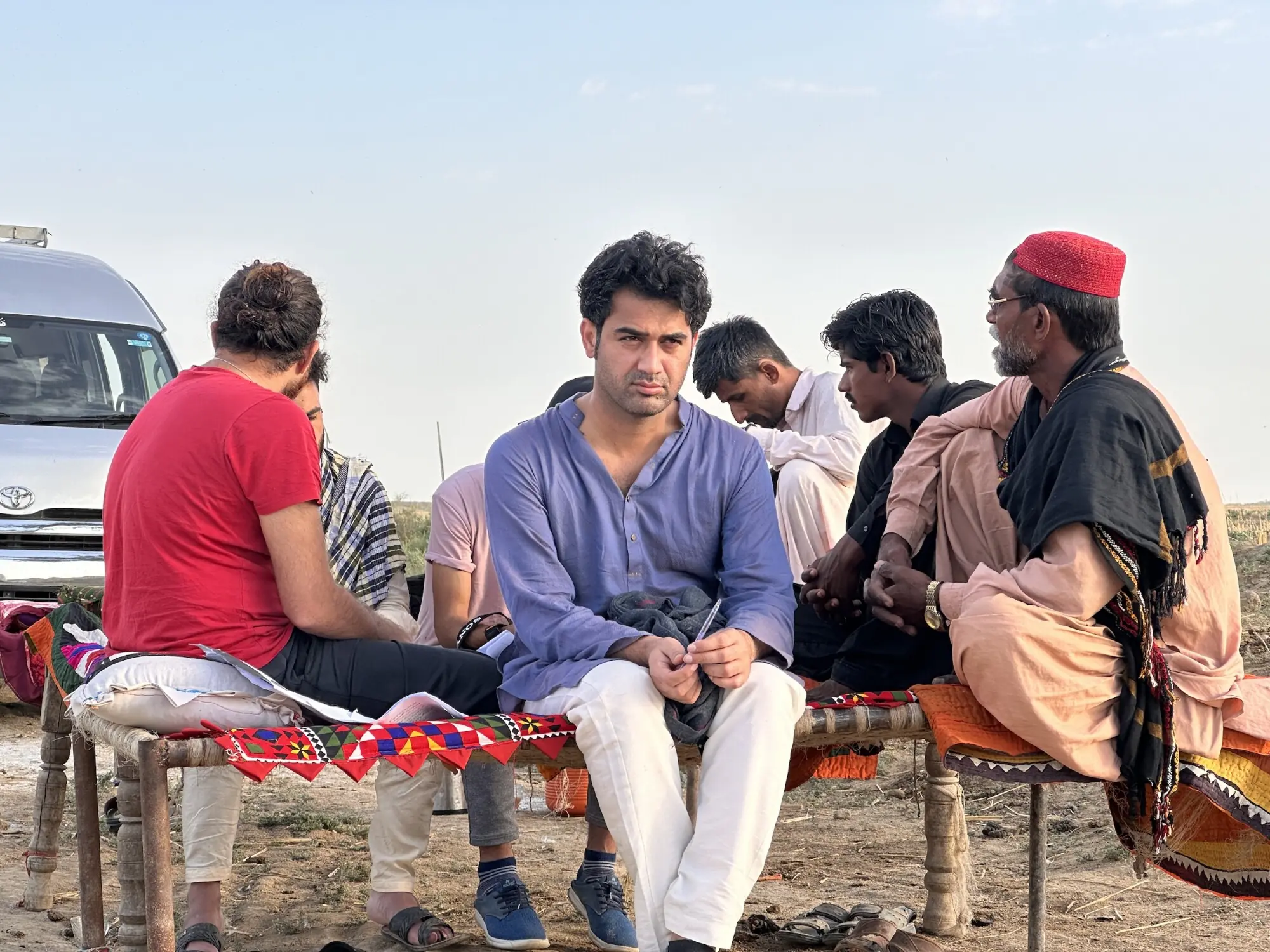
“It was a truly proud moment for all of us,” recalled 38-year-old director and producer Jawad Sharif over the phone from Islamabad. Without “behind-the-scenes lobbying or connections,” the victory, Sharif pointed out, reflected not only hard work and passion but the strength of the film’s narrative and visuals. Moklani won in the Global Voices category, sponsored by the Save Our Seas Foundation, competing against over 500 films. According to the Jackson Wild website, finalists were chosen by more than 200 international judges who screened over 1,000 hours of media.
Sharif emphasised that the film was a team effort: his wife and co-producer Syeda Kashmala; director of photography Asif Ali; Mushtaq Mushi, who expertly colour-graded the visuals; associate producer and content manager Sunila Khan, who bridged research, production, and post-production; and Maria Jawed Badvi, who contributed to research, translation, and narrative development. Logistics, sound design, and drone cinematography were handled by Fayyaz Khan, Raja Ramish, and Zain Idrees respectively.
For those familiar with his work, Sharif’s recognition comes as no surprise. “Jawad is a celebrated filmmaker with a sharp eye on Pakistan’s peripheries — his films are windows into unseen worlds,” said documentary filmmaker Haya Fatima Iqbal. “Why wouldn’t the world be interested in the story he’s told about the Mohanas?” Iqbal, co-founder of the Documentary Association of Pakistan and director of With the Sky is Far, the Earth is Tough, found it heartening to see “Pakistani documentary filmmakers gaining global recognition”.
“Jawad finds the most amazing stories and tells them with masterful skill,” said filmmaker Zakir Thaver, known for Salam (2019). Currently collaborating with Sharif on a documentary about Nusrat Fateh Ali Khan, Thaver said he found Moklani’s trailer “gorgeous”. “Can’t wait to see it!” he said excitedly.
This admiration for Sharif’s work is echoed by another leading voice in Pakistani cinema — acclaimed filmmaker Mohammad Ali ‘Mo’ Naqvi. “Jawad Sharif dives where few look — into fading communities and traditions that hold real creative and identity power for Pakistan; his films don’t just record them; they make room for these beautiful stories to be seen and matter,” said the multi–Emmy-nominated filmmaker and Television Academy Honouree and chair of the Pakistan’s Academy Selection Committee.
Over the past 15 years, Sharif has produced films such as the K2 and the Invisible Footmen (2015), Indus Blues (2019), Natari (2021) and Bhashaili (2023), screened at major festivals around the world and praised for their artistic vision and social impact, amplifying voices of indigenous and marginalised communities.
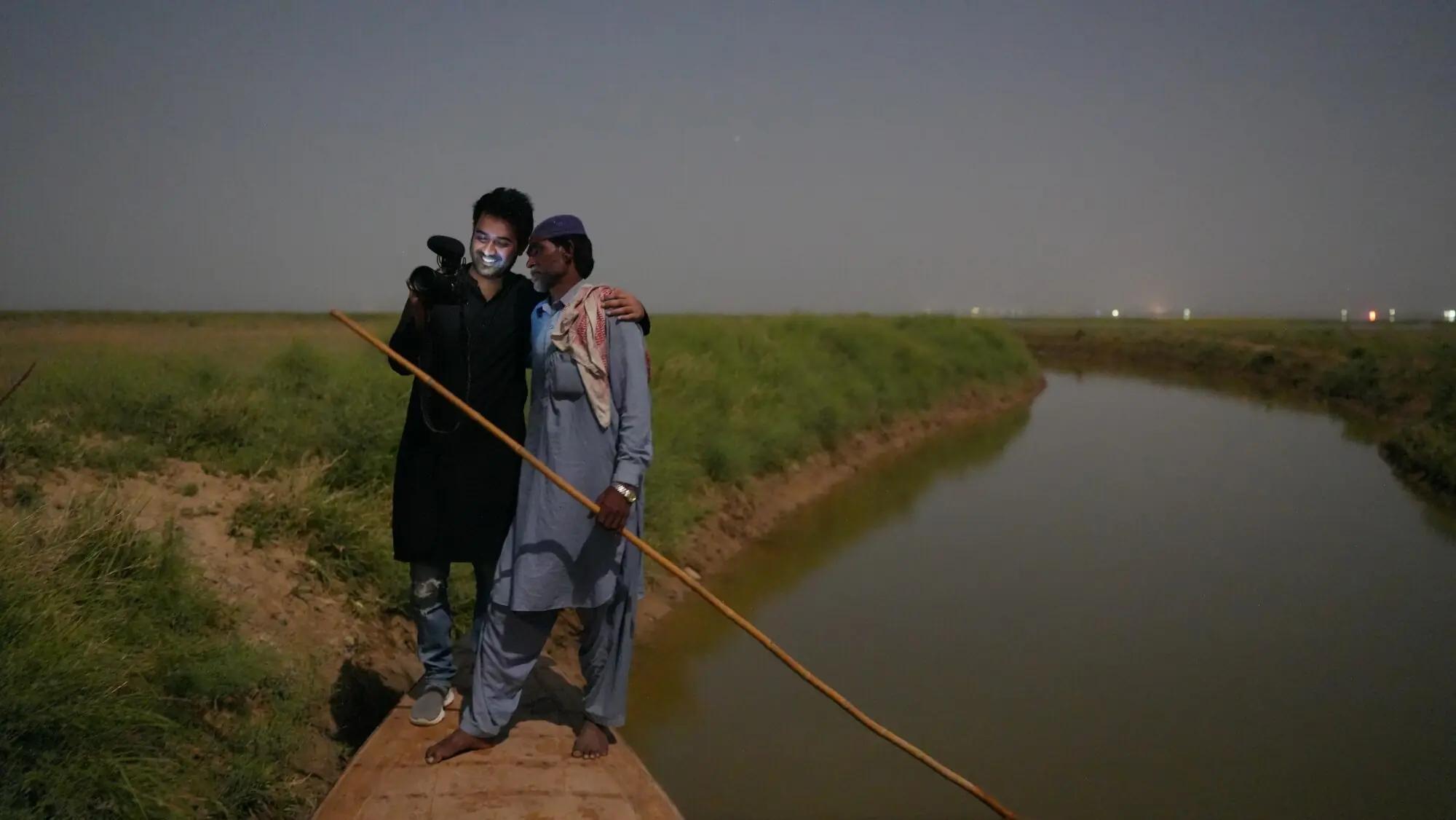
Now, Sharif juggles TV appearances, savouring the spotlight all the while knowing it may be fleeting. “It often takes Western recognition to spark local interest,” he noted. He hopes his new film, slated for 2026, will dispel the myth — especially among the youth — that documentaries are boring.
“After my last TV appearance, my mother messaged me, saying, ‘You spoke well, son,’” he shared. For someone whose parents have long struggled to accept a profession marked by unseemly hours, no steady income, and no pension, it was more than just a compliment, it was a rare moment of validation, and a quiet, reluctant pride in his work.
Sharif describes his style — cinéma vérité, a niche art form of documentary rooted in long-term engagement — as a natural fit for his drive to tell untold, real-life stories with real people. He admits unabashedly that he is drawn to indigenous communities, whose stories are rarely told, but who “live closest to the land, water, and changing climate” and whose lives hold “ancient wisdom about harmony with nature”.
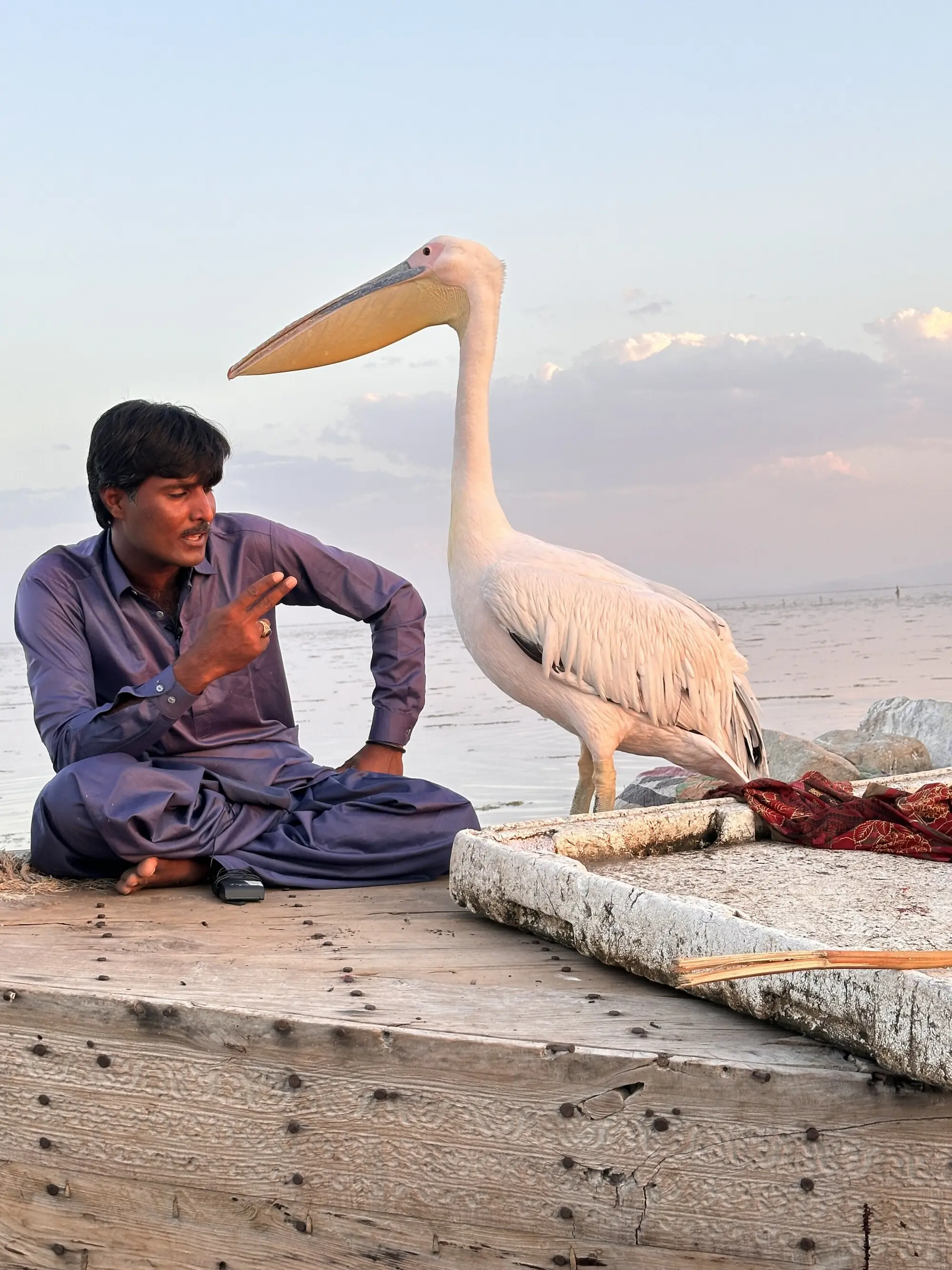
Moklani — meaning the “last meeting” or judai (separation) — is about the Mohanas, an indigenous fishing community living on boats in Manchar Lake, Pakistan’s largest natural freshwater lake near Sehwan in Sindh. But as the poisoned waters force them to leave, a centuries-old way of life is disappearing. “Climate change isn’t abstract for them,” explained Sharif. “It’s something they breathe, drink, and live with.” The film offers “an intimate journey into their disappearing world, their songs, their silences, and their struggles,” he added.
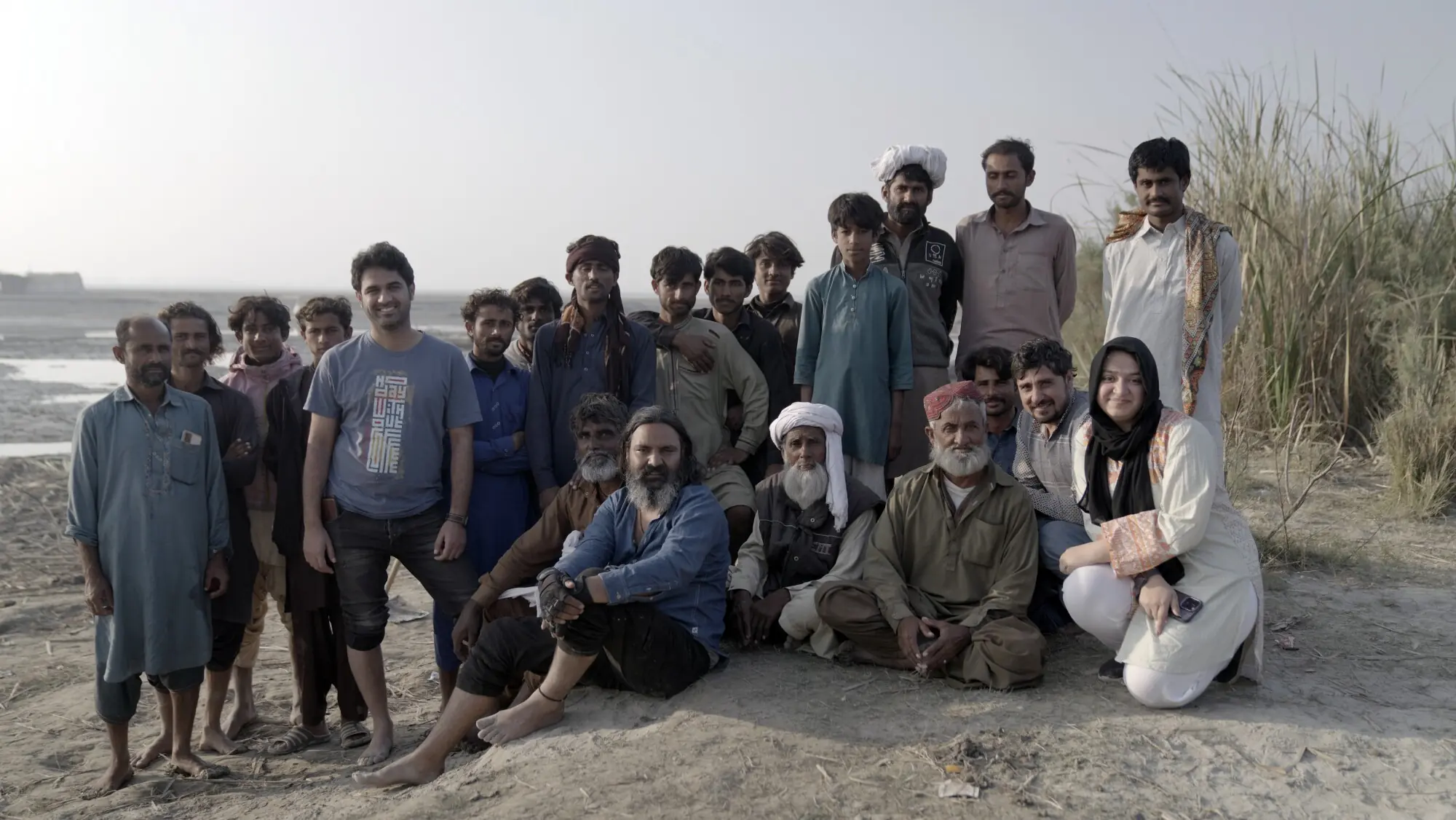
“This is the first time the life of a community on the brink of cultural extinction has been explored so deeply,” said Sharif. “It’s not outsider observation; it’s about becoming part of their world — seeing them as people who dream, laugh, and hope even as everything slips away.” The film took four years to make. “The first year, I went without a camera, spending days just being with them, getting to know each other, learning their culture,” he recalled. “Over time, they treated me like family.”
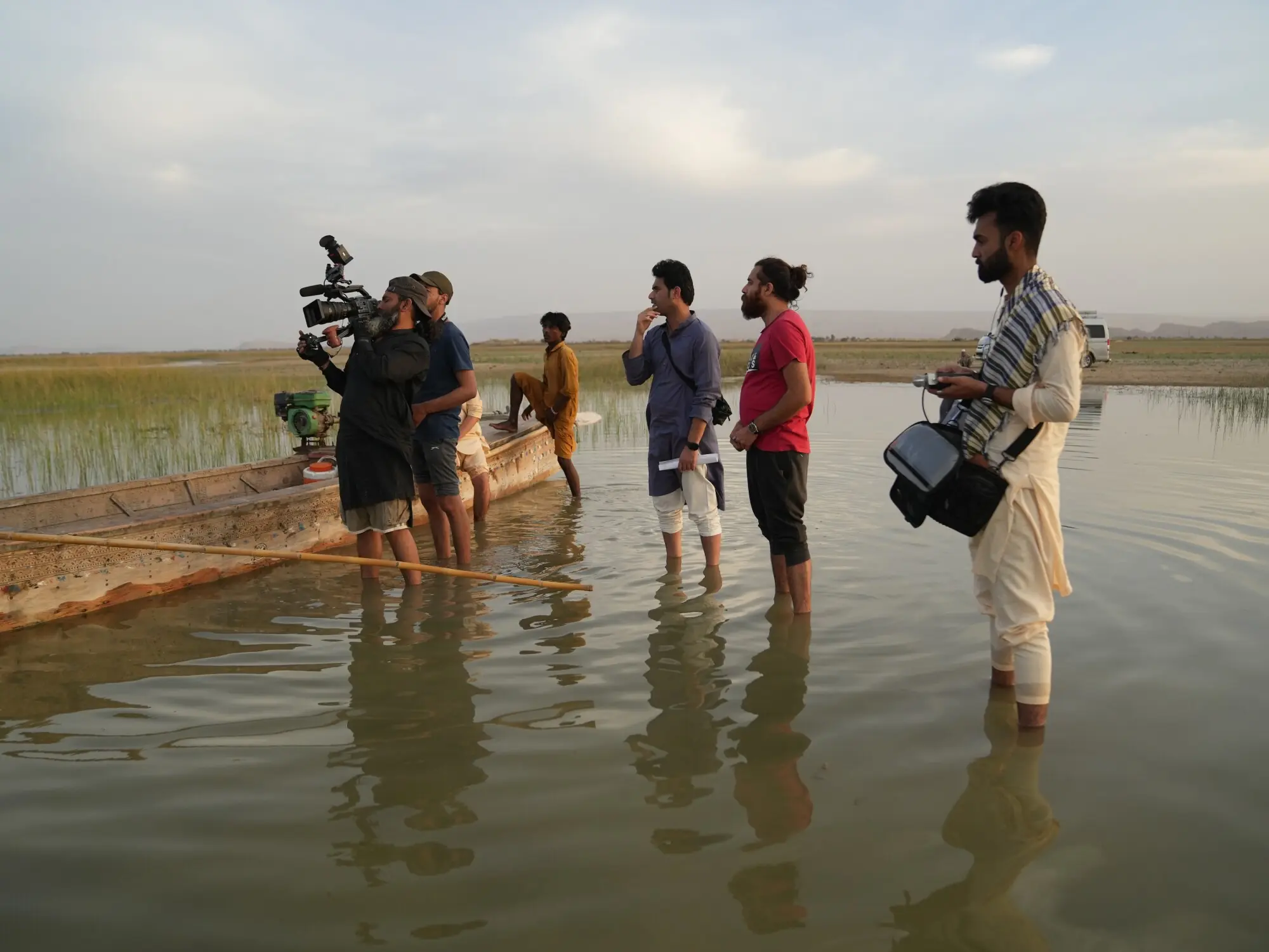
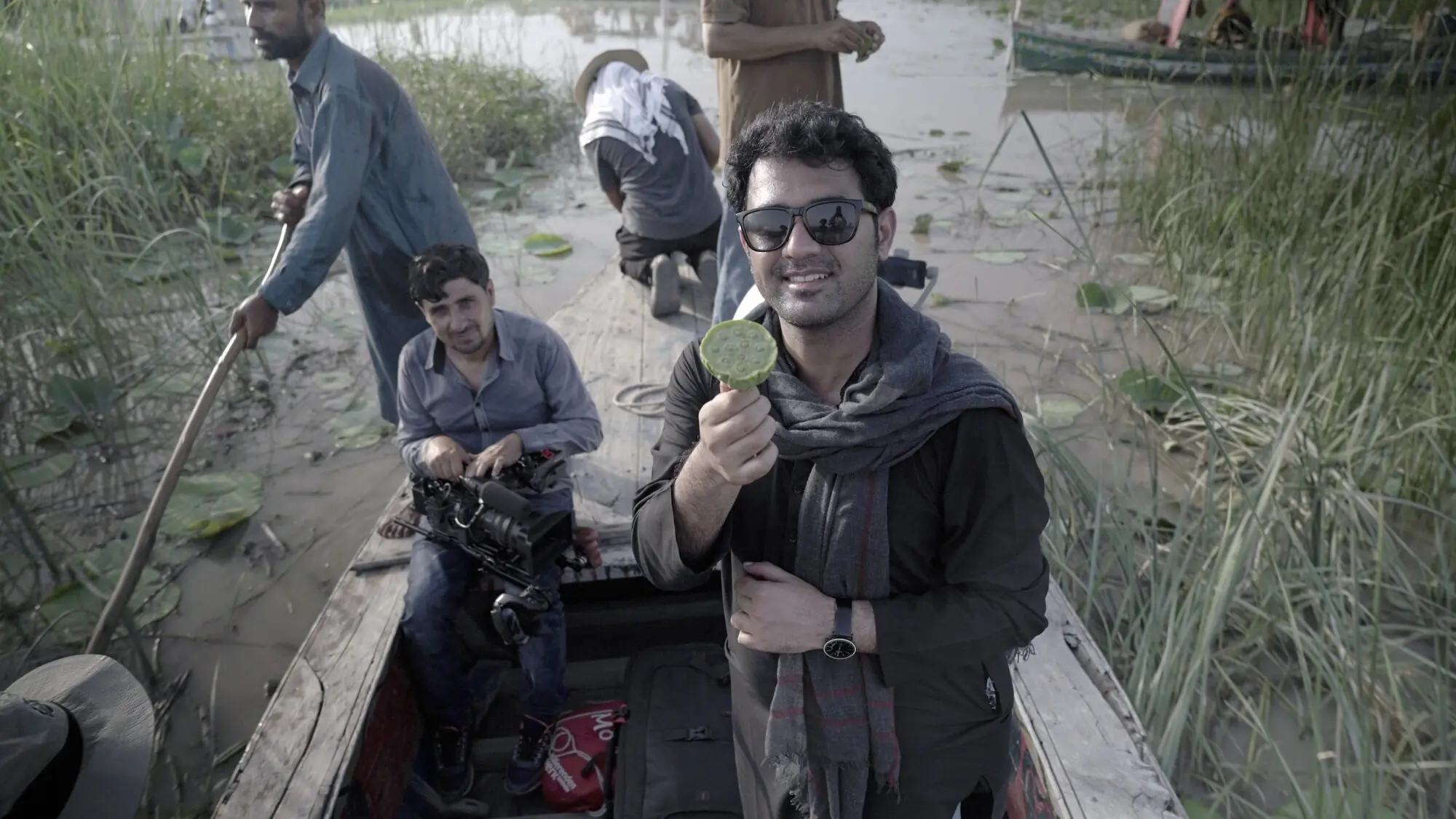
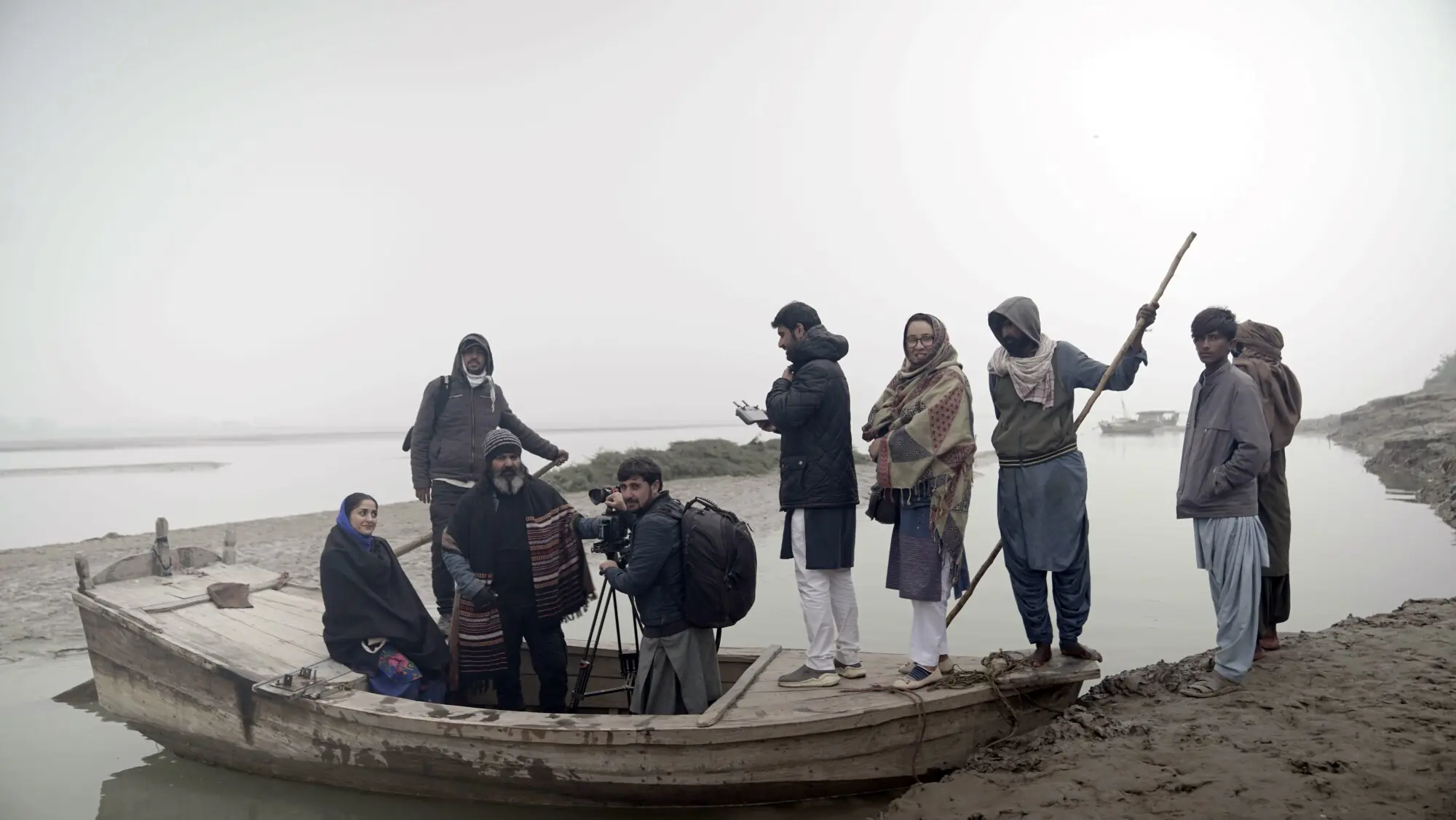
This was among his most challenging films. “I’ve filmed in mountains, deserts, flood zones — but Manchar was a different experience. We had to adapt to the rhythm of the water, filming while balancing on boats, protecting equipment, yet maintaining cinematic quality. It required constant improvisation.”
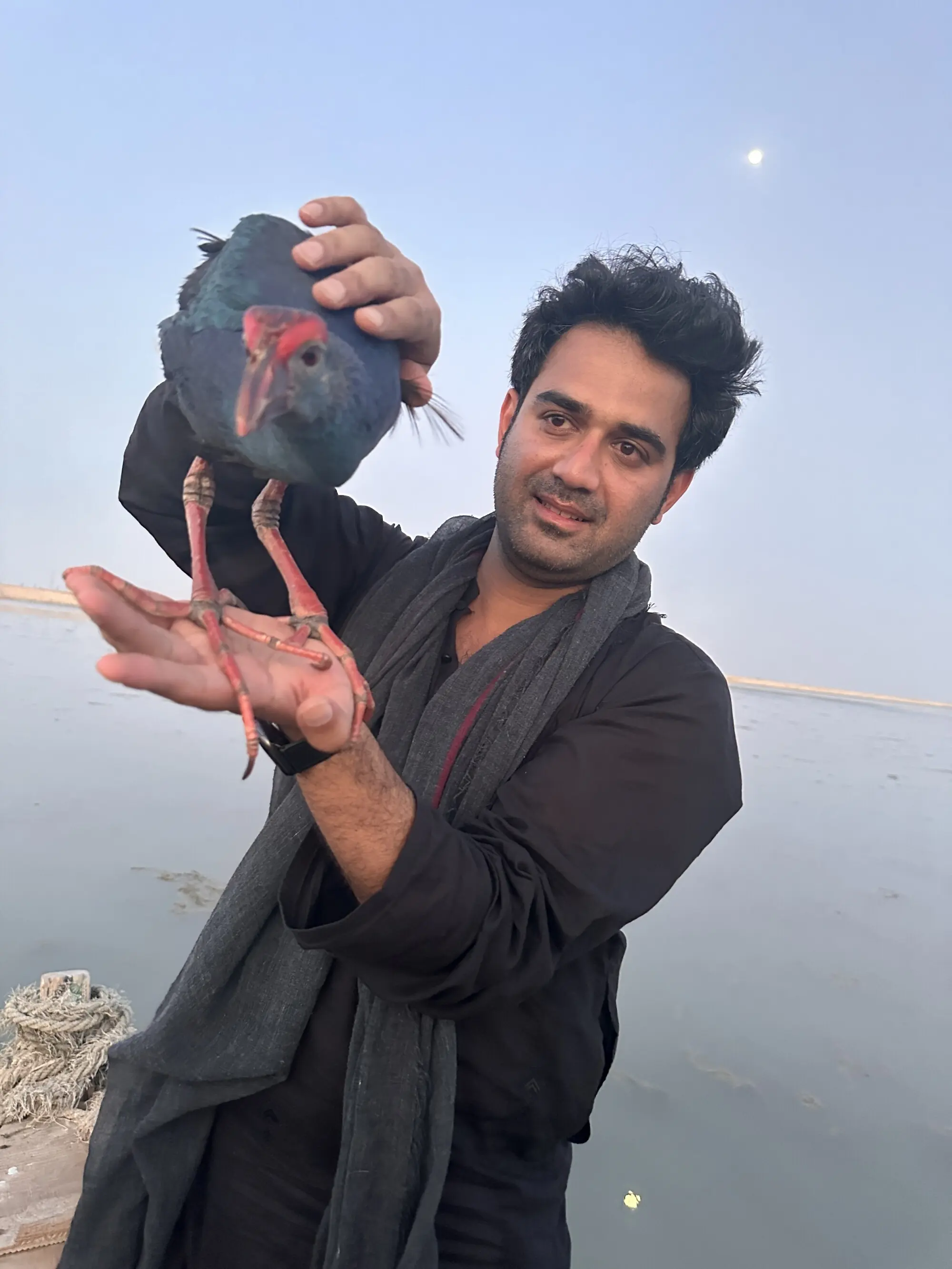
The lake’s remoteness added another layer of complexity. “With no basic amenities, we carried our own food, water, and supplies, often sleeping outdoors or on boats,” Sharif said. Filming across seasons, he witnessed extremes — from the searing heat to winter cold — making both life and filming unpredictable. “Capturing migratory birds central to the Mohana way of life often meant waiting hours, sometimes overnight.”
Gaining access to the community’s women was not without intricacy. It was Kashmala helped build that trust and ensured their voices became an essential part of the story.
The vast, repetitive landscape challenged the team to capture emotional depth and variety — during filming and editing. “But these challenges shaped the film’s soul — its stillness, rhythm, and poetry,” Sharif said enthusiastically.
A strong narrative and striking visuals alone weren’t enough for Sharif. “Without the right music, the film wouldn’t have felt whole,” he said. To give it that emotional and cultural depth, he brought in folk musician Saif Samejo and singer Schumaila Rehmat Hussain to compose a soundtrack featuring verses by Shah Latif and Sheikh Ayaz.
The emotional toll was heavy. “Carrying the weight of their disappearing world stayed with me long after filming ended,” Sharif said softly.
But the burden wasn’t just emotional — it was financial too. Films like Moklani rarely attract investors. “We constantly struggle for resources,” he admitted. Aside from a small NatGeo grant, the film was self-funded. “It’s my passion project — why would anyone invest?” Even the prestigious Jackson Wild award, he noted, came with no financial support.
To keep telling stories on his terms, Sharif takes commercial and corporate assignments — a trade-off he accepts. “Many talented filmmakers won’t, but then they end up wasted,” he said. His advice to aspiring documentarians: find another profession to fund your filmmaking passion.
Yet, the challenge goes beyond finances; it’s battling systemic neglect of culture itself.
Sharif expressed frustration with government culture departments, calling them “cultureless”. Institutional apathy creates barriers for independent filmmakers, such as the Rs350,000 fee quoted to screen Moklani at Pakistan’s National Council of the Arts in Islamabad.
This lack of support reflects a deeper cultural disinterest starting early in education. “We’ve lost pride in our culture — language, traditions — and that disconnect starts in schools,” Sharif said. Growing up in Rawalpindi and studying in a public school, he said he was never introduced to folk tales, traditional music or to Sufi poets like Baba Bulleh Shah or Baba Farid. “Yet we’re told to project Pakistan’s ‘soft’ image!”
This cultural disconnect, he believes, extends beyond classrooms — into the very media meant to reflect and shape society.
“I worked in TV for over five years, but it became monotonous — no freedom, no room to experiment,” said Sharif. He warns that if the younger generation is not offered quality content, they will tune out. When Indus Blues was released, several TV channels approached him. He ultimately decided to upload it on YouTube. “Good content finds its audience,” he said. The film went on to earn over a million views.
Comments