

Bangladesh is turning its former prime minister’s residence into a revolution museum
Photographs of jubilant flag-waving crowds clambering onto the rooftop of the Dhaka palace after Sheikh Hasina fled by helicopter to India were a defining image of the culmination of student-led protests that toppled her government on August 5, 2024.
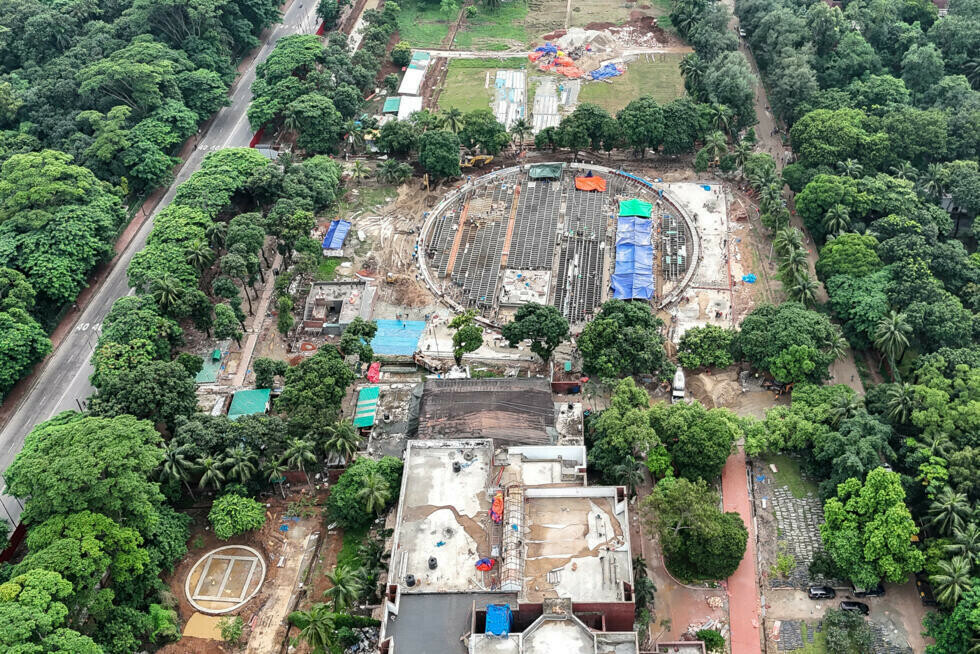
One year later, with the South Asian nation of around 170 million people still in political turmoil, the authorities hope the sprawling Ganabhaban palace offers a message to the future.
Graffiti daubed on the walls condemning her regime remains untouched.
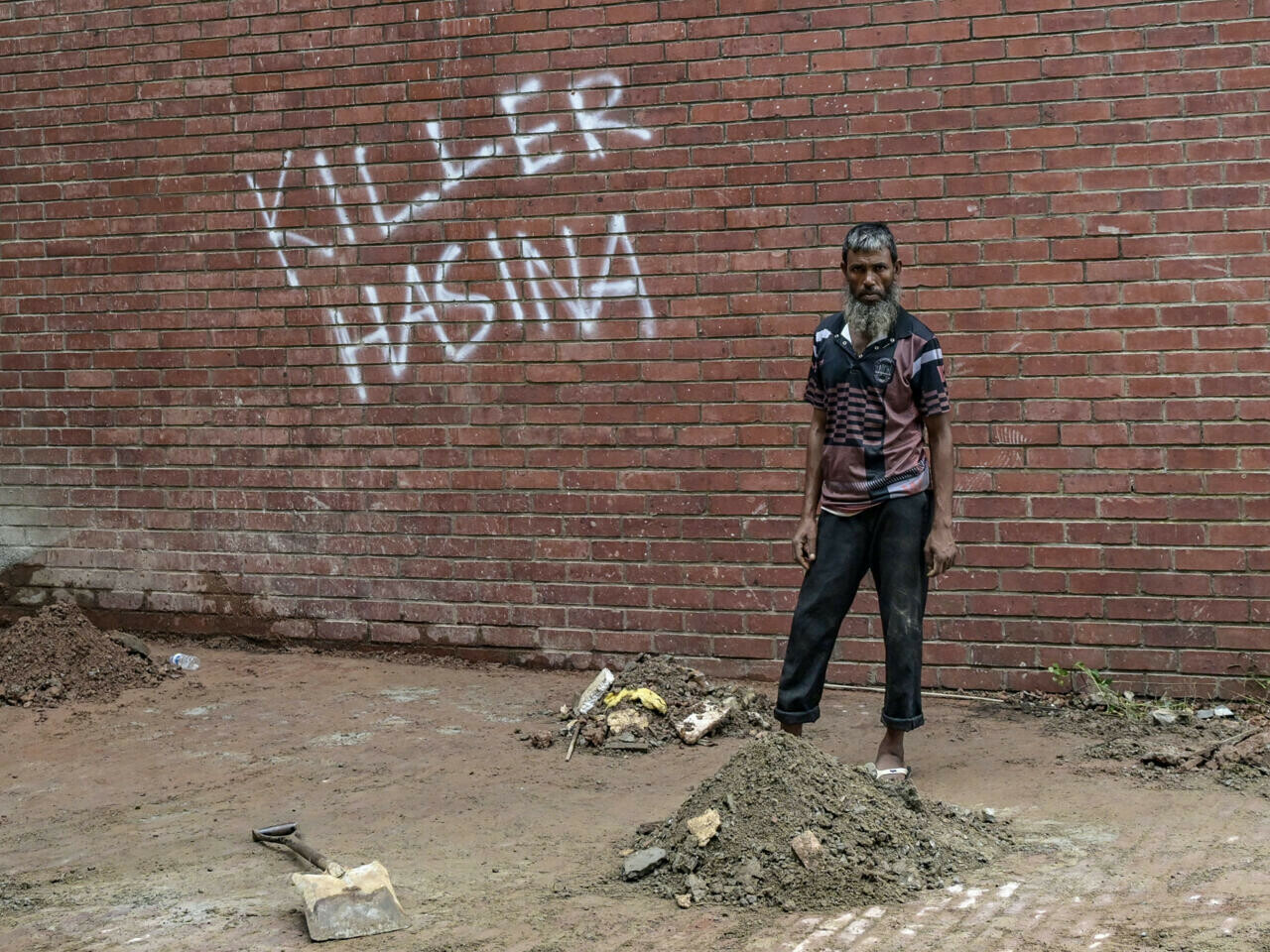
“Freedom”, one message reads. “We want justice.”
Hasina’s rule saw widespread human rights abuses, including the mass detention and extrajudicial killings of her political opponents.
Up to 1,400 people were killed between July and August 2024 in her failed bid to cling to power, according to the United Nations.
The 77-year-old has defied court orders to attend her ongoing trial on charges amounting to crimes against humanity in Dhaka, accusations she denies.
“Dictator”, another message reads, among scores being protected for posterity. “Killer Hasina”.
Muhammad Yunus, the 85-year-old Nobel Peace Prize winner who is leading the caretaker government until elections are held in early 2026, said the conversion to a museum would “preserve memories of her misrule and the people’s anger when they removed her from power”.
Symbol of fascism
Mosfiqur Rahman Johan, 27, a rights activist and documentary photographer, was one of the thousands who stormed the luxurious palace, when crowds danced in her bedroom, feasted on food from the kitchens, and swam in the lake Hasina used to fish in.
“It will visualise and symbolise the past trauma, the past suffering — and also the resistance,” he said.
“Ganabhaban is a symbol of fascism, the symbol of an autocratic regime”.
The complex was built by Hasina’s father, the first leader of Bangladesh, Sheikh Mujibur Rahman, and Hasina made it her official residence during her 15 years in power.
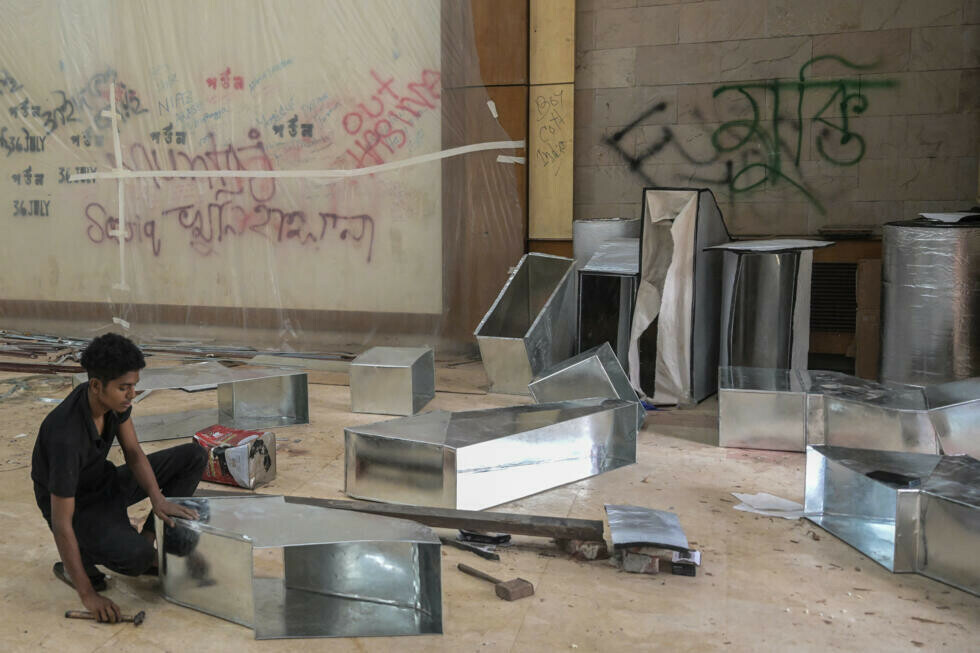
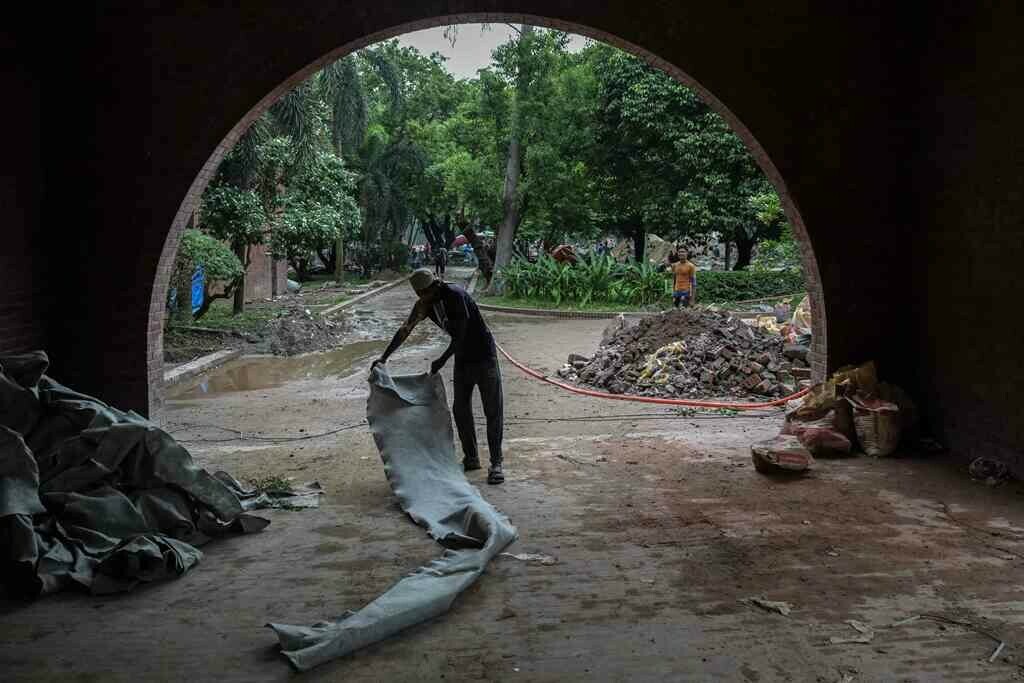
Tanzim Wahab, the curator of the under-construction museum, told AFP that exhibits would include artefacts of the protesters killed.
Their life stories will be told through films and photographs, while plaques will host the names of the people killed by the security forces during the longer period of Hasina’s rule.
“The museum’s deeper purpose is retrospective, looking back at the long years of misrule and oppression,” said Wahab. “That, I believe, is one of the most important aspects of this project.”
Wahab said the museum would include animation and interactive installations, as well as documenting the tiny cells where Hasina’s opponents were detained in suffocating conditions. “We want young people… to use it as a platform for discussing democratic ideas, new thinking, and how to build a new Bangladesh,” Wahab said.
Statues of dictatorship
That chimes with the promised bolstering of democratic institutions that interim leader Yunus wants to ensure before elections — efforts slowed as political parties jostle for power.
The challenges he faces are immense, warned Human Rights Watch ahead of the one-year anniversary of the revolution.
“The interim government appears stuck, juggling an unreformed security sector, sometimes violent religious hardliners, and political groups that seem more focused on extracting vengeance on Hasina’s supporters than protecting Bangladeshis’ rights,” HRW said.
But while Hasina’s palace is being preserved, protesters have torn down many other visible signs of her rule.
Statues of Hasina’s father were toppled, and portraits of the duo torn and torched.
Protesters even used digger excavators to smash down the home of the late Sheikh Mujibur Rahman — that Hasina had turned into a museum to her father.
“When the dictatorship falls, its Mecca will go too,” said Muhibullah Al Mashnun, who was among the crowds that tore down the house. The 23-year-old student believes that removing such symbols was necessary for Bangladesh to move forward to a better future.
“They were the statues of dictatorship,” Mashnun said.





Comments